Have you ever craved a perfect meal after a long day on the trail, only to end up with a burnt dinner or forgotten gear? I know I have, and it’s frustrating. That’s why I’m diving into camp cooking tools.
I’ve spent years testing gear in every condition imaginable, from backyard BBQs to backcountry treks. I can tell you what works and what doesn’t. Choosing the right equipment can be the difference between a memorable meal under the stars and a disappointing night.
This guide is your ticket to mastering outdoor cooking. No fluff, just practical advice. You’ll save time, money, and avoid hunger pangs on your adventures.
Stick around for a straightforward breakdown that’ll make your next trip unforgettable. Ready to raise your outdoor culinary game? Let’s get cooking.
Camp Kitchen Heat: The Heart of Your Outdoor Feast
Choosing the right heat source for your camp kitchen is, frankly, the most key decision you’ll make. It’s the beating heart of your outdoor feast. Everything else falls into place around this choice.
Let’s be real, if your heat source is wrong, your meal plan’s toast (literally and figuratively).
Consider the classic: cooking over an open fire. Nothing beats the ambiance or flavor it brings. Sitting around a crackling fire, roasting a marshmallow (something) magical there.
But, there are downsides. Fire restrictions, weather, and skill issues can quickly turn that dream into a smoky mess. Not to mention, it can be a hassle to manage.
Enter camp stoves. They’re the reliable backup singers to your campfire’s lead. Canister stoves are a favorite for their ease of use, lightweight nature, and backpacking convenience.
But watch out in extreme cold; they tend to shiver and underperform. Liquid fuel stoves offer raw power and dependability in cold weather, with versatile fuel options. Yet, they demand a bit more attention with maintenance like priming and cleaning.
Solid fuel stoves? They cater to the ultralight crowd or survivalists, relying on finding dry fuel. A bit of a gamble, but for some, that’s half the fun.
Here’s a simple guide: opt for a canister stove if you want convenience and portability. Choose a liquid fuel stove for reliability and cooking for groups. To make your camp kitchen truly sing, think about how you’re organizing campsite efficiency.
It’s all about playing to your camp cooking tools’ strengths.
The Workhorses: Must-Have Camp Cooking Tools
When it comes to camp cooking, there’s always that nagging question: Are you packing too much or too little? Let me tell you from experience, the right camp cooking tools can make or break your outdoor culinary adventure. The trick is knowing what’s important.
First up, pots and pans. Aluminum is the go-to for beginners. It’s lightweight, affordable, perfect for car camping.
If you’re venturing into backpacking territory, titanium is the ultralight king. But watch out, it can leave hot spots on your food. Then there’s stainless steel.
It’s durable, offers even heating, and is reliable for car camping. And who can forget cast iron? It’s the heavyweight champ, unbeatable for flavor and heat retention.
Just don’t lug it into the backcountry (unless you’re into self-punishment).
Utensils, now that’s another battlefield. Start with a good knife. You’d be surprised how often a dull blade ruins the mood (and the tomatoes).
A spatula or spoon in silicone or wood handles pretty much everything. Then add tongs and a cutting board. The fewer tools, the better.
Multi-purpose is key. One tool that does it all beats a bag of gadgets any day.
Mess kits can seem trivial, but they’re not. Opt for nesting designs to save space. You want a plate or bowl that won’t crack and a mug that keeps things warm.
Trust me, a nesting mess kit is gold. Ever tried wrangling a wild pile of cups and plates in a small tent? It’s not fun.
For some of the best camp cooking tools, check out what’s available online. You’ll find everything from titanium pots to nesting mess kits. Pro tip: Always test your gear before a big trip.
It’s better to realize you forgot something when the store’s nearby, not when you’re miles into the woods.
Beyond Boiling Water: Camp Meals Reimagined
Let’s face it, camp cooking can be either a bore or the best part of the trip. If you’re like me, you’ve had enough of plain old boiled noodles. There’s a whole world beyond that.

With the right camp cooking tools, you can turn any campsite into a culinary haven.
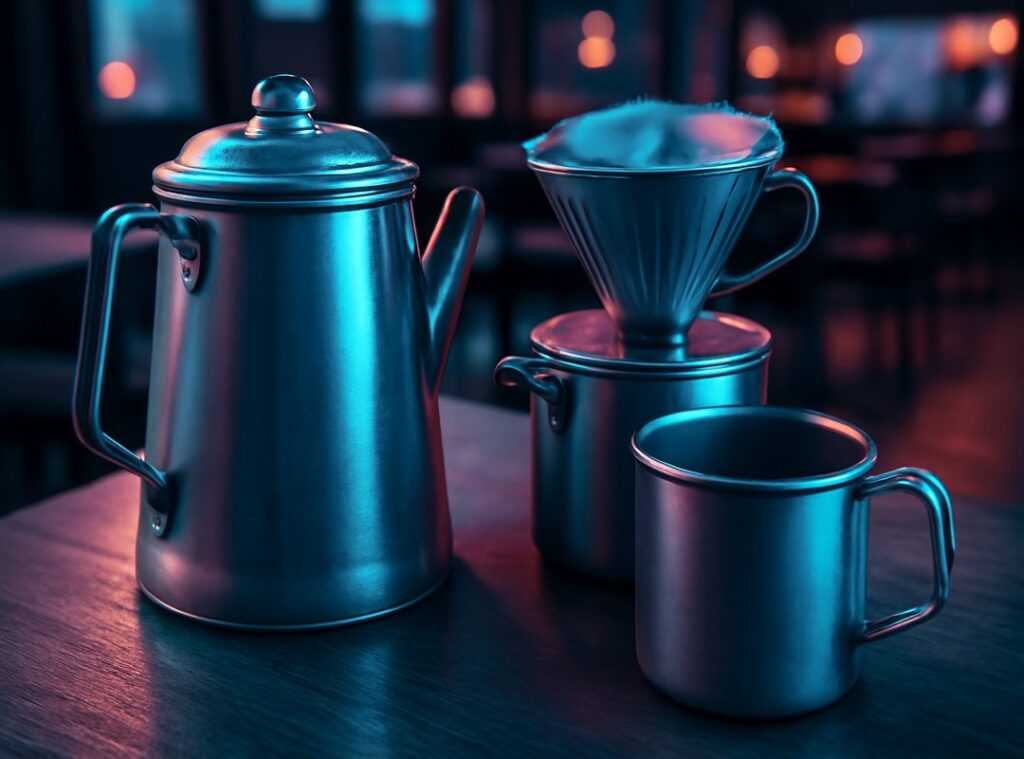
First up, the coffee situation. I can’t function without a morning brew. The percolator’s good for traditionalists, but I’m more of a French press person (easy cleanup, bold flavor).
If you’re a pour-over fan, that’s cool too. Each has its place depending on your style of camping: backpacking, glamping, or something in between.
Ever tried a Dutch oven? It’s a beast. You roast, bake, stew (whatever) you fancy.
It’s like having a gourmet kitchen in the woods. Sure, they’re heavy, but for car camping? Totally worth it.
You can whip up a stew one night, then bake bread the next. It’s the ultimate multi-tool.
Now, let’s talk griddles and grills. Pancakes in the morning, burgers at night. A portable grill or griddle over a fire or stove makes it happen.
They’re compact, but they pack a punch. Perfect when you want something more than a hot dog on a stick.
Finally, don’t underestimate a good cooler. Insulation is key because melted ice is a nightmare. Base the size on your group and trip length.
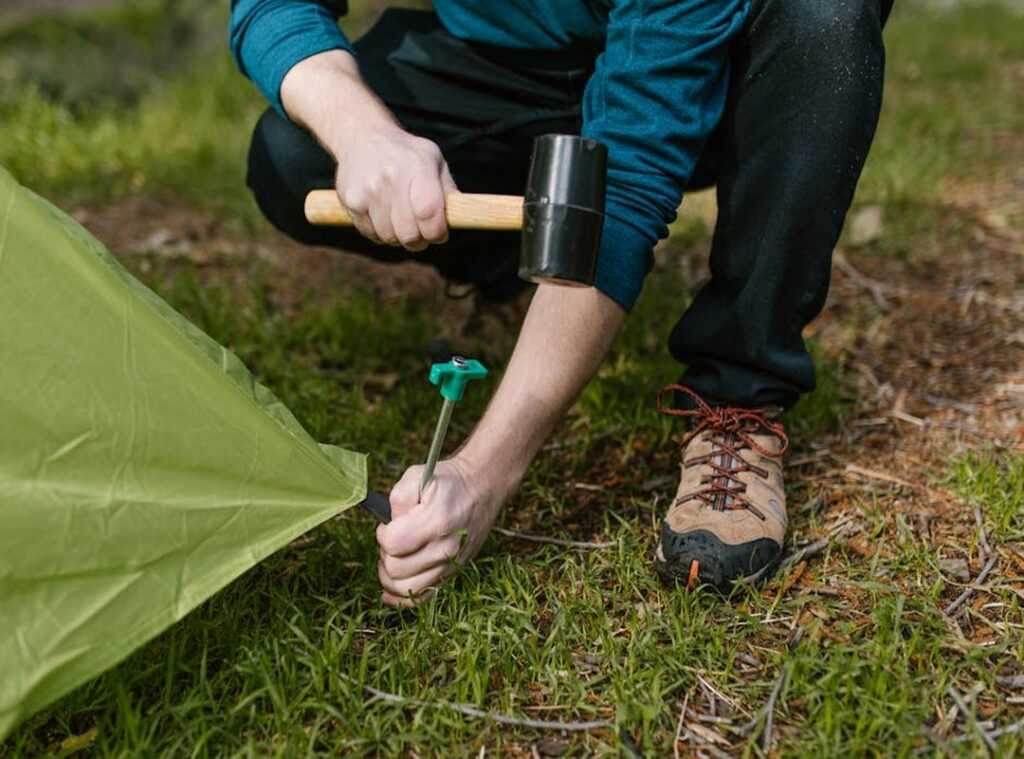
Trust me, it’s better to overestimate. And hey, if you’re puzzled about where to start, check out this tent setup step by step guide. It’s all part of making the most of your outdoor adventure.
Building Your Kit: Adventure-Ready Checklists
Picking the right gear sets you up for success in any outdoor escapade. Let’s cut through the noise and tackle this head-on. You need the right gear for the job.
Not a random mash-up of stuff.
For the Ultralight Backpacker, focus on minimalism. Think multi-use items. A titanium pot doubles as a bowl (genius).
Canister stove, spork, done. You want simplicity when every ounce counts.
Now, if you’re the Car Camping Gourmet type, give yourself more room to indulge. You can lug a two-burner stove, cast iron skillet, and even a Dutch oven for those slow-cooked meals. A cooler is important (nobody likes warm drinks).
Cooking under the stars never felt so classy.
For the Family Weekender, convenience is king. Grab a stainless steel pot set and a portable grill. A large water jug is a must.
Avoid those “out of water” mishaps. You’ll need gear that’s practical and durable. This way, everyone’s happy, even the picky eaters.
And don’t overlook your camp cooking tools. The right setup makes all the difference. Trust me, with these kits, you’re prepped for any adventure nature throws your way.
Each list is curated for experience, not just aesthetics.
Ready, Set, Cook!
You don’t need a mountain of gear for a great meal outdoors. You just need the right stuff. It’s not about the quantity; it’s about the camp cooking tools that match your adventure.
I know how frustrating it can be when you’re out there, fumbling around. But with the right setup, you’ll be cooking up memories. Feel confident, ditch the confusion.
Your kitchen’s ready. What’s next? Plan your trip.
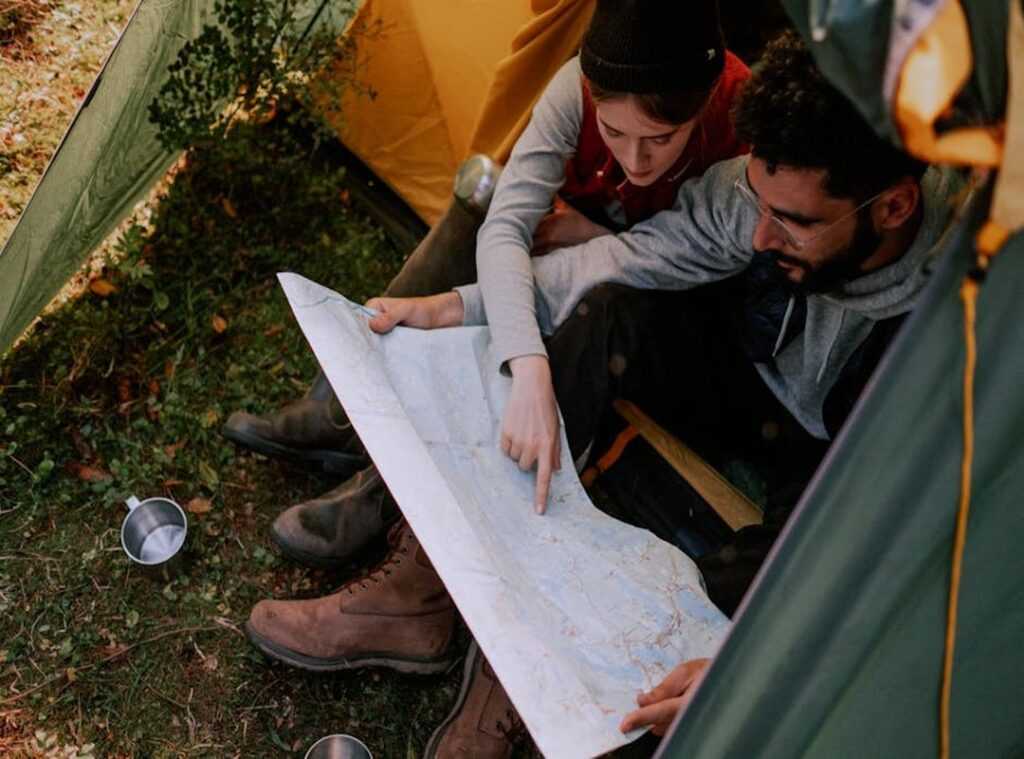
Dive into our trail mapping and outdoor skills resources. They’re designed to get you prepared and excited. Adventure awaits.
Don’t just dream about it. Make it happen.
 Trail Mapping & Exploration Coordinator
Joshua Harthormix has opinions about camp setup essentials. Informed ones, backed by real experience — but opinions nonetheless, and they doesn't try to disguise them as neutral observation. They thinks a lot of what gets written about Camp Setup Essentials, Core Outdoor Skills and Tactics, Hidden Gems is either too cautious to be useful or too confident to be credible, and they's work tends to sit deliberately in the space between those two failure modes.
Reading Joshua's pieces, you get the sense of someone who has thought about this stuff seriously and arrived at actual conclusions — not just collected a range of perspectives and declined to pick one. That can be uncomfortable when they lands on something you disagree with. It's also why the writing is worth engaging with. Joshua isn't interested in telling people what they want to hear. They is interested in telling them what they actually thinks, with enough reasoning behind it that you can push back if you want to. That kind of intellectual honesty is rarer than it should be.
What Joshua is best at is the moment when a familiar topic reveals something unexpected — when the conventional wisdom turns out to be slightly off, or when a small shift in framing changes everything. They finds those moments consistently, which is why they's work tends to generate real discussion rather than just passive agreement.
Trail Mapping & Exploration Coordinator
Joshua Harthormix has opinions about camp setup essentials. Informed ones, backed by real experience — but opinions nonetheless, and they doesn't try to disguise them as neutral observation. They thinks a lot of what gets written about Camp Setup Essentials, Core Outdoor Skills and Tactics, Hidden Gems is either too cautious to be useful or too confident to be credible, and they's work tends to sit deliberately in the space between those two failure modes.
Reading Joshua's pieces, you get the sense of someone who has thought about this stuff seriously and arrived at actual conclusions — not just collected a range of perspectives and declined to pick one. That can be uncomfortable when they lands on something you disagree with. It's also why the writing is worth engaging with. Joshua isn't interested in telling people what they want to hear. They is interested in telling them what they actually thinks, with enough reasoning behind it that you can push back if you want to. That kind of intellectual honesty is rarer than it should be.
What Joshua is best at is the moment when a familiar topic reveals something unexpected — when the conventional wisdom turns out to be slightly off, or when a small shift in framing changes everything. They finds those moments consistently, which is why they's work tends to generate real discussion rather than just passive agreement.