Scrolling through endless ‘best camping’ lists is exhausting, isn’t it? You want a campsite that feels right, not just another crowded spot. Most guides don’t get it; they offer generic advice that doesn’t fit everyone’s needs.
But I promise, this isn’t one of those. My background in trail mapping and wilderness navigation isn’t just for show. I’ve spent years finding those hidden remote camping sites that truly connect you with nature.
Let’s focus on what you really need. A guide to finding unique, remarkable spots, not just following the beaten path. Whether you’re a newbie or a seasoned explorer, this isn’t about dictating where to go.
It’s about giving you the tools to discover places that match your spirit. Trust me, by the end, you’ll know exactly how to find your perfect wilderness escape.
First, Define Your Adventure: What Makes a Campsite ‘Perfect’?
Finding the best spot for camping starts with you. Forget maps for a second. It’s about knowing what you want.
You can’t just pick any remote camping site and expect it to be magical. You have to build a personal “campsite profile.” Ever thought about what you really need out there?
Let’s get into it. Experience Level: Are you a first-timer who needs amenities or a veteran seeking rugged solitude? That makes a huge difference. You don’t want to be stuck without a clue if you’re new to this.
Group Size & Type: Is it a solo trip, a family outing with kids, or a wild trip with friends? You don’t want to choose a place perfect for solitude when you’re bringing a bunch of people. Think about how the group changes the needs.
Then comes the Primary Activities: Are you planning to hike, fish, kayak, stargaze, or just relax by the fire? Your activities will define where your ideal spot is.
Next, consider your Desired Environment: Dense forests, open deserts, lakeside views, mountain vistas? What’s your vibe? You’d better know because that’s half the thrill of being out there.
Finally, think about Access & Vehicle: Can you get there with a standard car, or do you need a high-clearance 4×4? How far are you willing to hike from your vehicle? Don’t overlook this.
It’s key for planning.
Once you clear up these questions, searching becomes a mission. No more wandering without direction. Trust me, nailing this down turns chaos into clarity.
And if you’re hunting for those hidden gems, you might want to check out Lesser Known Wilderness Areas Visit.
Camping Lands: What’s Out There and What to Expect
Camping isn’t one-size-fits-all. You’ve got options, but the type of land can make or break your experience. to the common ones.
National & State Parks are popular. Why? They’ve got well-maintained facilities and clear signage. Rangers are nearby, so you’re not completely on your own. That’s comforting, right? But, they’re crowded. You have to book way ahead, and those rules! You can’t just camp anywhere. Plus, fees add up.
Then there’s the wild side: National Forests & BLM Land. Here, you can try dispersed camping. It’s liberating.
No neighbors, no fees. You’re free. But it’s not easy.
No water, bathrooms, or cell service. You need to know your stuff. Navigation is tricky too.
But if you’re skilled, it’s the place for you.
For the hardcore, Backcountry & Wilderness Areas await. Get ready to hike in (no) shortcuts. Permits are a must, and skills are non-negotiable.
Ever heard of Leave No Trace? It’s key here. This is where the real adventurers go.
Got what it takes?
And, of course, there are Private Campgrounds. They’re cozy. Showers, Wi-Fi, even laundry.
It’s like home but outside. Perfect if you want comfort. But forget about the wild feel.
It’s more glamping than camping. Also, your wallet might feel a bit lighter.
Want more info on remote camping sites? you’ll find the best car camping spots. Each type of land has its own vibe, so choose wisely. Whether you’re seeking solitude or facilities, there’s a spot out there for you.
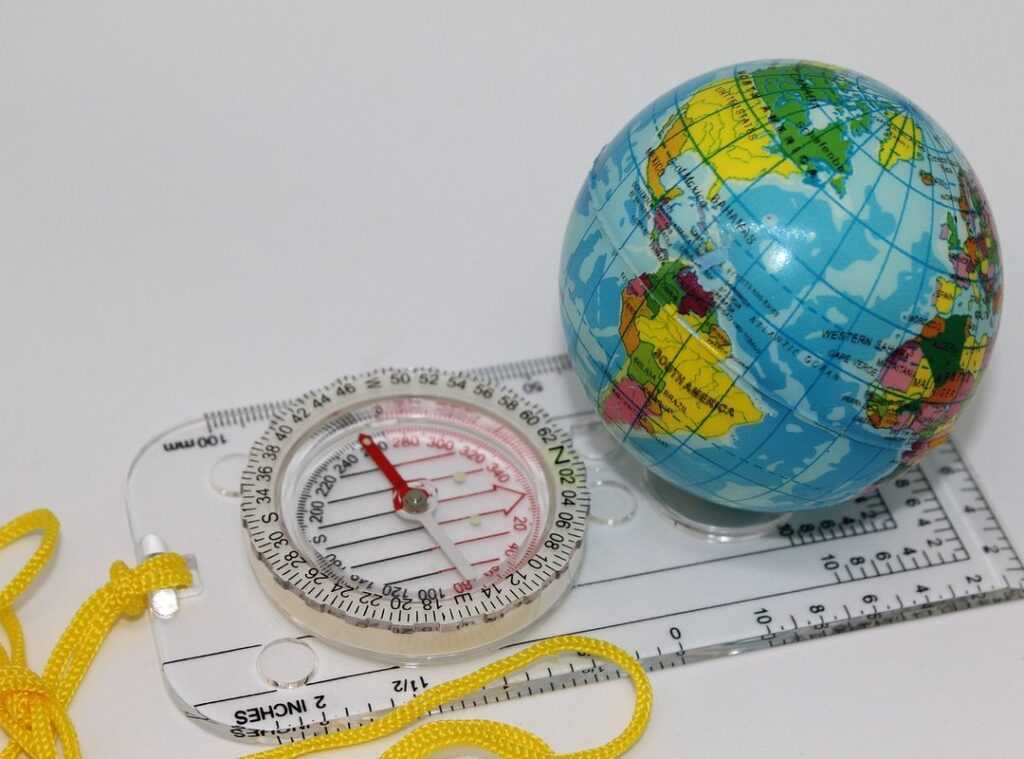
The Modern Explorer’s Toolkit: Navigating Remote Camping Sites
Let’s be real. You’re not just going into the woods to get lost. You’re there to find that perfect spot where nature feels untouched.
And trust me, the right digital tools can make all the difference.
First up, topographic map apps like Gaia GPS and CalTopo. These are your bread and butter for reading the land. Contour lines tell you where the ground is flat (ideal for pitching a tent) and where it’s a steep climb (maybe less ideal).
Water sources? Creeks and lakes pop out right from the map. It’s like being able to see the bones of the earth.
You get to understand the terrain’s personality before you even set foot on it.
Then there’s satellite imagery, like Google Earth Pro. A game-changer. You can visually confirm a potential campsite.
See if there are existing fire rings, check tree cover for shade or hammocks, and even scope out access roads. No one wants to drive hours only to find the road is washed out. You can practically smell the campfire before you arrive.
Government and reservation websites, like Recreation.gov and TheDyrt, are gold mines. Use their filters to find ‘dispersed’ or ‘first-come, first-served’ sites. Real campers leave reviews with hidden tips.
It’s like getting advice from a friend who’s been there before. Read up on recent conditions, because nobody likes surprises (well, not the bad kind).
Here’s a pro tip: combine these tools. Find a promising area on a topo map, switch to satellite view for the nitty-gritty, and finally, check official sites for alerts or closures. This trifecta ensures you won’t waste time.
Want more hidden gems? Check out hidden hiking trails discover. These tools aren’t just for finding campsites.
They’re your ticket to discovering places others only dream about. So, grab your gear and head out. The wild is waiting for you.
Pre-Trip Recon: Vetting Your Spot
Before you head out to those remote camping sites, let’s get real about safety. You can’t just wing it. Check your water sources.
Are those creeks actually there, or just seasonal mirages? I always dig into recent trip reports or call the local ranger. Sometimes, they know stuff the internet doesn’t (imagine that!).
And don’t forget the rules. Fire bans, permits, food storage in bear country (these) aren’t just suggestions. They’re rules that keep you safe and legal.
Trust me, nothing kills a trip vibe like an unexpected fine or worse.
Weather’s another beast. It’s not just about the forecast. Consider flash floods in canyons or lightning on exposed ridges.
Mother Nature can be a bit dramatic, right? So, keep an eye on those patterns.
Got a backup plan? You should. Your dream spot might be crowded, closed, or just not what you expected.
I always scout one or two alternatives. It’s like having a plan B and C. This way, you can pivot without stress.
So, what’s next? Think ahead. Be prepared.
These final checks could save your trip from turning into a disaster movie. Stay smart, stay safe, and get out there.
Find Your Perfect Escape
Tired of those endless, generic lists of camping spots? I get it. Adventure isn’t one-size-fits-all.
It’s personal. Finally, the frustration of finding the right remote camping sites is over. You need a plan.
Define your needs. Understand the land. Use the right tools.
Vet your choices. You’re not alone in this journey. Others have tread the path, and now it’s your turn.
Use this system to start planning your next trip. The wilderness is waiting for you to find your perfect spot. Head over to drailegirut.com.
Your next adventure is one click away. The wild is calling.
 Outdoor Skills Instructor
There is a specific skill involved in explaining something clearly — one that is completely separate from actually knowing the subject. Gerald Lopezainab has both. They has spent years working with camp setup essentials in a hands-on capacity, and an equal amount of time figuring out how to translate that experience into writing that people with different backgrounds can actually absorb and use.
Gerald tends to approach complex subjects — Camp Setup Essentials, Core Outdoor Skills and Tactics, Hidden Gems being good examples — by starting with what the reader already knows, then building outward from there rather than dropping them in the deep end. It sounds like a small thing. In practice it makes a significant difference in whether someone finishes the article or abandons it halfway through. They is also good at knowing when to stop — a surprisingly underrated skill. Some writers bury useful information under so many caveats and qualifications that the point disappears. Gerald knows where the point is and gets there without too many detours.
The practical effect of all this is that people who read Gerald's work tend to come away actually capable of doing something with it. Not just vaguely informed — actually capable. For a writer working in camp setup essentials, that is probably the best possible outcome, and it's the standard Gerald holds they's own work to.
Outdoor Skills Instructor
There is a specific skill involved in explaining something clearly — one that is completely separate from actually knowing the subject. Gerald Lopezainab has both. They has spent years working with camp setup essentials in a hands-on capacity, and an equal amount of time figuring out how to translate that experience into writing that people with different backgrounds can actually absorb and use.
Gerald tends to approach complex subjects — Camp Setup Essentials, Core Outdoor Skills and Tactics, Hidden Gems being good examples — by starting with what the reader already knows, then building outward from there rather than dropping them in the deep end. It sounds like a small thing. In practice it makes a significant difference in whether someone finishes the article or abandons it halfway through. They is also good at knowing when to stop — a surprisingly underrated skill. Some writers bury useful information under so many caveats and qualifications that the point disappears. Gerald knows where the point is and gets there without too many detours.
The practical effect of all this is that people who read Gerald's work tend to come away actually capable of doing something with it. Not just vaguely informed — actually capable. For a writer working in camp setup essentials, that is probably the best possible outcome, and it's the standard Gerald holds they's own work to.