You’re out in the woods, miles from civilization, when everything hinges on a simple rope. A tent to pitch, gear to secure, a hammock to hang (and) you can’t remember which knot to use. We’ve all been there.
It’s not just about tying a rope; it’s about getting it right the first time. mastering knots for camping becomes key. If you’re like many campers, you might struggle to remember the right knot for the right situation. What’s the difference between a bowline and a clove hitch anyway?
There’s an art to it, and yes, it takes practice. But why are knots so important? Because they keep you safe, they save your gear, and sometimes, they save your life.
Outdoor enthusiasts and survivalists will tell you: knowing your knots is non-negotiable. Trust me, understanding these techniques isn’t just a skill; it’s a lifeline.
In this article, we’ll break down the most practical, easy-to-follow knotting techniques every camper should know. I promise by the end, you’ll be tying knots like a pro and wondering why you didn’t learn this sooner. Whether you’re a seasoned camper or a weekend warrior, these skills will raise your outdoor experience.
Ready to get started?
Knots Matter: Tying Camping Together
You ever try camping without knowing your knots? It’s like playing a guitar without strings. Frustrating and pointless.
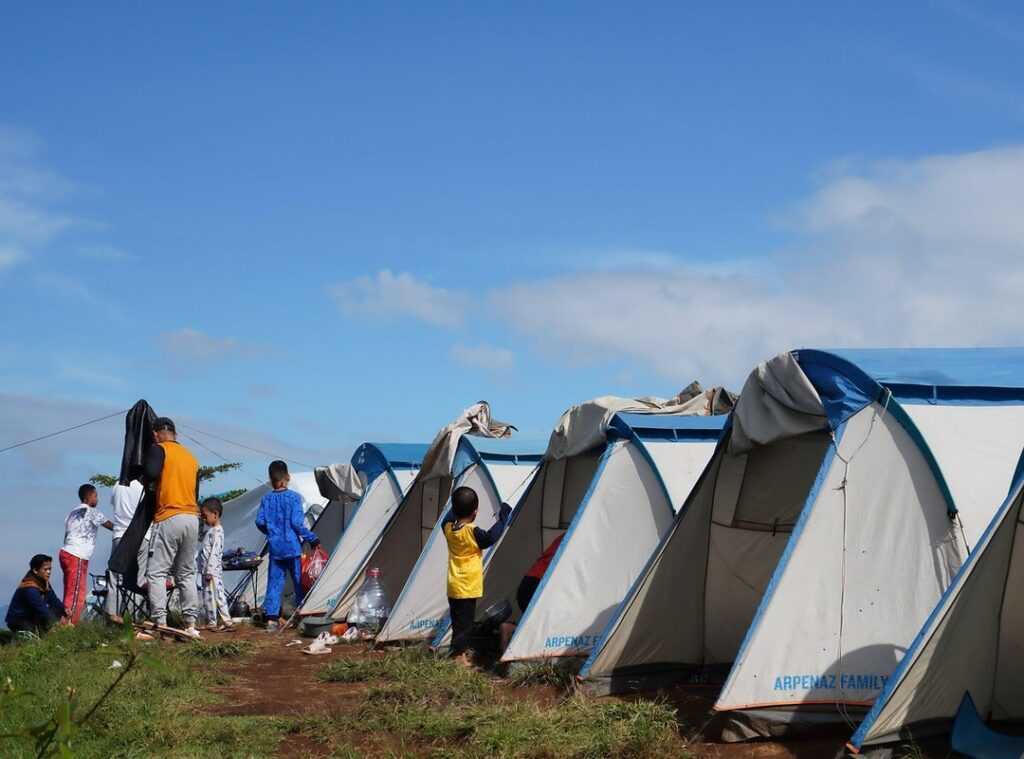
I’ll say it: knowing how to tie the right knot is important. Not just for show-offs, but for the real stuff like safety and efficiency. Picture this: high winds, your tent flaps wildly, and you’re battling to secure it.
A well-tied knot could save the day (and your sanity).
Knots for camping are not just about setting up tents. They’re the quiet heroes in securing gear, making shelters, and even in emergency situations. You wouldn’t want your backpack tumbling down a ravine because you didn’t tie a simple bowline, right?
Some think it’s a waste of time to master these techniques. Seriously? It’s like refusing to learn how to change a flat tire.
When you’re out in the wilderness, you realize how these ‘basic’ skills raise the whole experience. Want to become a camping pro? Start with knots.
And while you’re at it, learn more about fire-building. Trust me, these skills go hand in hand.
Camping is all about being prepared. Skipping knots is like going to a concert without tickets. You’d miss the whole point.
Knot Your Average Guide: Important Camping Knots
You ever been stuck trying to secure a tent in the wind, wondering what knot to use? I’ve been there. Let’s talk about some knots for camping that will save you (and your sanity).
Start with the Bowline Knot. A classic. It’s like the “king” of knots (if knots had royalty).
Use it when you need a secure loop that won’t slip (perfect) for tying down gear or hanging a hammock. To tie it, make a small loop in the rope, run the loose end through, around the standing part, and back through the loop. Simple, right?
Just remember, practice makes perfect.
Now, the Clove Hitch. It’s not the strongest, but it’s versatile. Think of it as the of knots (yes, I went there).
Use it for tying something temporarily: a tarp, maybe. To tie, make two loops, overlap them, and slip over a post. Done.
But be careful (it) can slip if not under constant tension.
The Taut-Line Hitch is a game-changer for adjustable tension. Great for tent guylines. Start with two loops around your anchor rope, then finish with an extra half hitch.
It’s snug, it grips tight, and you can adjust the tension easily. Got a saggy tent line? Not anymore.
Don’t underestimate the Square Knot. It’s useful but only for joining two ropes of equal thickness. Avoid using it for key loads; it can slip.
Tie it by holding two rope ends, right over left, then left over right. Easy to remember, but don’t rely on it too much.
Finally, the Figure Eight Knot. It’s reliable and easy to untie, even after heavy loading. Ideal for beginners.
Create an “eight” with your rope and tuck the end through. This knot’s a staple, especially in climbing.
So, there you have it. Get out there and practice these (because what’s camping without the right knots?).
Mastering Knots: Techniques for the Savvy Camper
Ever tried hauling a heavy load only to watch it slip away? The Double Fisherman’s Knot is your answer. This knot locks like a charm, making sure your gear stays put.
It’s like magic, but real. You can practically hear the fibers grip each other as you pull the ropes tight.
Need adjustable tension? The Trucker’s Hitch is your go-to. Perfect for setting up tarps or securing loads on the move.
You can feel the rope slide through your hands, smooth yet firm. The tension is almost tangible, as if the rope itself understands the task.
When you’re facing a mid-loop challenge, the Alpine Butterfly Knot offers stability you can rely on. It sits there strong and unyielding, ready to take on any weight. You can trust it with your life.
The texture of the rope feels reassuring against your skin.
Pro tip: mastering these knots for camping isn’t just about utility. It’s about confidence in the wild. If you’re venturing out, brush up on navigating with compass tips.
It’s not just about tying knots; it’s about knowing where you stand.
Knot Tying 101: Avoiding Common Missteps
Let’s get real about knots for camping. We’ve all been there: struggling with a tangled mess when nature calls for precision. The most common blunders often come from incorrect tension and choosing the wrong knot entirely.
Does it really matter which knot you use? Absolutely. The right knot can mean the difference between a secure setup and an unexpected collapse.
Practicing these knots beforehand is key. You wouldn’t want to hang a hammock with a granny knot, right? Trust me, a loose knot can ruin your day.
To avoid these pitfalls, take time to practice in non-key situations (your backyard works). It’s also wise to learn 6 knots everyone should know. These are important for camping and will save you future headaches.
Pro tip: Always double-check your knots. A little preparation goes a long way in the wild.
Tying It All Together: Tools and Resources
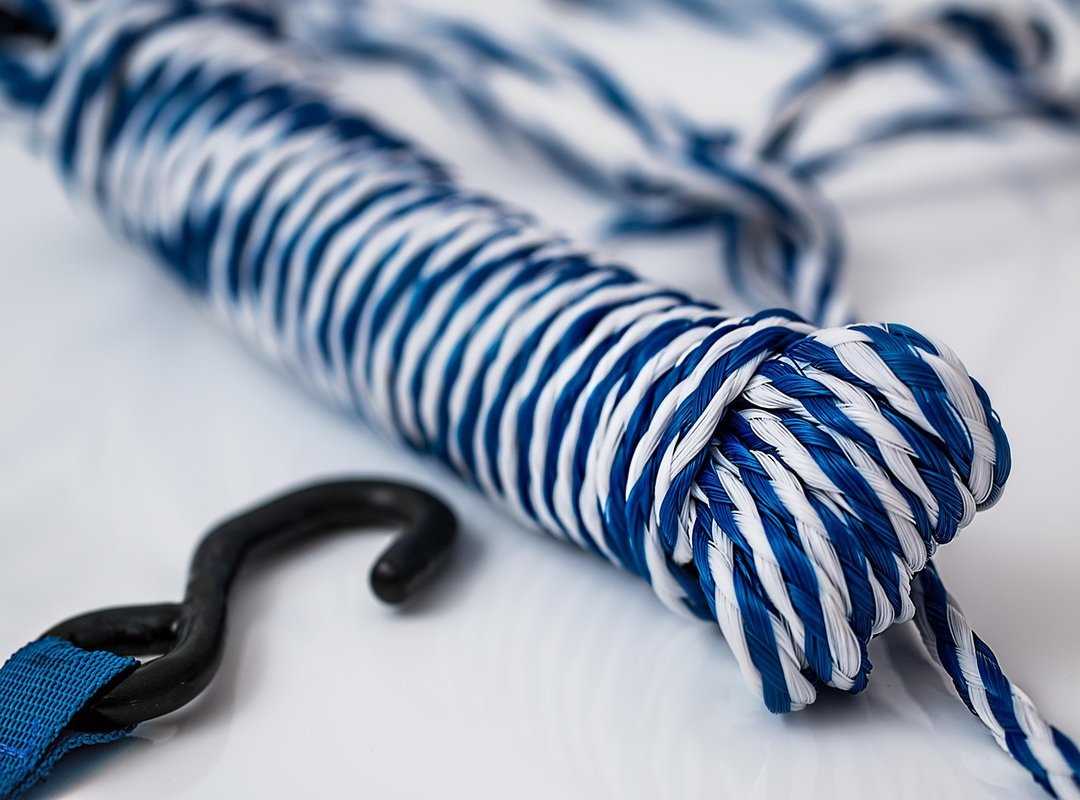
Let’s talk about knots for camping. You can’t master them without the right tools. You need ropes, plain and simple.
Different materials and sizes matter. Why? Because each knot has its own personality (and some are divas).
Start with a basic nylon rope. It’s versatile and forgiving. For more grip, try a jute rope.
Want to dive deeper? Check out online resources and apps. A quick search will lead you to tutorials that are actually helpful.
YouTube is a goldmine for visual learners. Books? “The Ashley Book of Knots” is a classic. It’s like the encyclopedia of knots.
But don’t go it alone. Community groups or workshops can boost your skills. Practicing with others makes a difference.
You learn faster, and it’s more fun. Plus, you might just meet someone who knows that one knot that’s been driving you nuts. Who doesn’t like a little friendly competition?
Master Your Outdoor Skills
Mastering knots for camping isn’t just a fun skill; it’s important. Think about it. Wouldn’t you feel more secure knowing your tent won’t collapse at midnight?
These techniques tackle everything from securing gear to saving you in a pinch. Safety and ease. Sounds good, right?
You can bet on it.
But practice is key. Regular practice transforms these skills into second nature. Dive into resources at drailegirut.com to hone your skills further.
Ready to boost your outdoor adventures? Start knotting now! Trust me, you’ll thank yourself on that next windy night under the stars.
 Outdoor Skills Instructor
There is a specific skill involved in explaining something clearly — one that is completely separate from actually knowing the subject. Gerald Lopezainab has both. They has spent years working with camp setup essentials in a hands-on capacity, and an equal amount of time figuring out how to translate that experience into writing that people with different backgrounds can actually absorb and use.
Gerald tends to approach complex subjects — Camp Setup Essentials, Core Outdoor Skills and Tactics, Hidden Gems being good examples — by starting with what the reader already knows, then building outward from there rather than dropping them in the deep end. It sounds like a small thing. In practice it makes a significant difference in whether someone finishes the article or abandons it halfway through. They is also good at knowing when to stop — a surprisingly underrated skill. Some writers bury useful information under so many caveats and qualifications that the point disappears. Gerald knows where the point is and gets there without too many detours.
The practical effect of all this is that people who read Gerald's work tend to come away actually capable of doing something with it. Not just vaguely informed — actually capable. For a writer working in camp setup essentials, that is probably the best possible outcome, and it's the standard Gerald holds they's own work to.
Outdoor Skills Instructor
There is a specific skill involved in explaining something clearly — one that is completely separate from actually knowing the subject. Gerald Lopezainab has both. They has spent years working with camp setup essentials in a hands-on capacity, and an equal amount of time figuring out how to translate that experience into writing that people with different backgrounds can actually absorb and use.
Gerald tends to approach complex subjects — Camp Setup Essentials, Core Outdoor Skills and Tactics, Hidden Gems being good examples — by starting with what the reader already knows, then building outward from there rather than dropping them in the deep end. It sounds like a small thing. In practice it makes a significant difference in whether someone finishes the article or abandons it halfway through. They is also good at knowing when to stop — a surprisingly underrated skill. Some writers bury useful information under so many caveats and qualifications that the point disappears. Gerald knows where the point is and gets there without too many detours.
The practical effect of all this is that people who read Gerald's work tend to come away actually capable of doing something with it. Not just vaguely informed — actually capable. For a writer working in camp setup essentials, that is probably the best possible outcome, and it's the standard Gerald holds they's own work to.