Nature offers a pantry, but it demands respect and knowledge. The wilderness can feed you or kill you. The difference?
Accurate identification. I’ve spent years immersed in wilderness survival, honing core outdoor skills. Trust me. Foraging edible plants isn’t just a hobby (it’s) life or death.
My expertise comes from hard-earned field experience. Not from theory, but from the grit of real-world challenges. I’ll give you a no-nonsense, practical guide with unbreakable rules.
No endless lists, just the essentials you need. Stick with me, and you’ll learn to safely harvest wild edible plants. Ready to master the wild?
Let’s get started.
The Forager’s Code: Four Non-Negotiable Rules for Staying Alive
Foraging isn’t just a pastime; it’s survival. It’s the bedrock of all good foraging. There are non-negotiable rules you must follow.
They’re commands, not suggestions.
First rule: 100% Positive Identification. You can’t just assume a plant is safe. Use multiple sources (books,) apps, even local experts.
Now, the second rule: Know the Land. If you’re thinking about picking plants from roadsides or industrial areas, think again. These places are environmental nightmares.
Observe the plant through all seasons. Trust me, when in doubt, throw it out. Safety first, people.
Pesticides, heavy metals, who knows what else is lurking in the soil. Know the history of the land you’re on. It’s as key as knowing the plant itself.
Moving on to rule three: Understand the Plant’s Parts. Some plants are tricky. Just because the berries are edible doesn’t mean the leaves are.
Take elderberry, for example. Cooked berries? Great.
Leaves or stems? Toxic. You need to know every part intimately before you even think about taking a bite.
Finally, rule four: Proper Preparation is Key. Foraging edible plants isn’t just about the hunt. Some plants require cooking or leaching.
Acorns, nettles, they’re not immediately ready-to-eat. The real work starts after gathering. Preparation is half the battle.
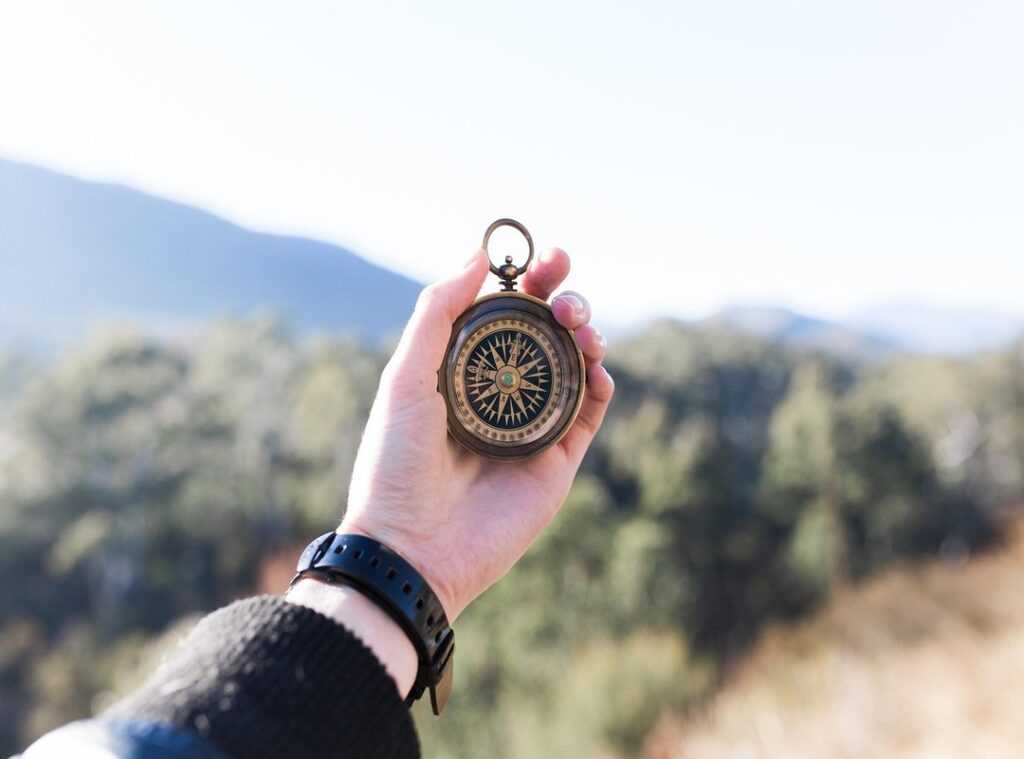
And hey, while you’re out there on the land, don’t forget to brush up on other important skills. Like navigating with compass tips. It’s all part of the adventure.
Beginner’s Harvest: Three Edibles You Can Count On
When you’re just starting out with foraging edible plants, you need a few reliable friends. Plants that won’t betray you with hidden poisons or confusing look-alikes. Let me introduce you to three trustworthy allies.
First up, the dandelion. You know this one, right? Those jagged leaves (they look like lion’s teeth) and single yellow flower perched on a hollow stem.
It’s everywhere, which is lucky for us. You can eat the leaves, flowers, and even the roots. Toss the leaves in a salad or brew the roots into tea.
It’s a survivalist’s dream.
Next, we have the broadleaf plantain. No, not the banana kind. This one’s a low-growing plant with rosette-shaped leaves and parallel veins.
It’s tough. Ever hear about its medicinal uses for stings and cuts? It’s true.
But it’s also a durable salad green. Not as flashy as spinach, but it does the job.
Now, let’s talk about stinging nettle. This one’s got a reputation. Its square stem and serrated leaves are covered in tiny hairs that sting.
But don’t let that scare you off. Wear gloves when you harvest it. Once cooked, those stingers are history.
Nettle becomes a nutritious green, packed with goodies your body craves.
Why start with these? They’re abundant and safe. Plus, they’re a great way to get comfortable with foraging for wild edibles and herbs.
You won’t be squinting at field guides wondering if you’re about to poison yourself.
Pro tip: Always double-check with an expert or reliable source before eating anything. Your survival depends on knowing your plants. Trust me, you don’t want to learn that the hard way.
These three are confident choices, but it’s on you to be sure. That’s the challenge and the reward of this whole foraging gig.
The Art of the Harvest: Tools, Techniques, and Trail Ethics
When it comes to foraging edible plants, you’ve got to know your tools. I’m talking about the essentials. A sturdy knife or some sharp shears are non-negotiable.

You’ll need these to cut cleanly, keeping plants intact when necessary. Ever tried lugging around a plastic bag in the woods? Bad move.
Go for a breathable collection bag, and don’t forget those thick gloves to protect your hands. Your gear has to be simple and lightweight.
Now, let’s talk technique. Sustainable harvesting is key. I follow the “Rule of Thirds”: never take more than a third of any plant patch.
It’s not just polite. It’s necessary for nature to keep giving. You don’t want to be the person who wipes out a stand.
Always leave things looking as undisturbed as possible. If you’re after roots, sure, uproot. But otherwise?
Leave the rest standing proud.
Processing your finds is an art too. Do it right there on the trail. Shake off dirt and insects before packing up.
It saves you time and keeps your haul clean. Want a pro tip? Processing at home isn’t bad, but you might carry more dirt and bugs back than you like.
And don’t forget, while you’re out there mastering these skills, you might want to check out more on mastering art fire building. Knowing how to build a fire is another core skill you can’t ignore.
Deadly Deceptions: Spotting Poisonous Look-Alikes
Foraging edible plants is no joke. Get it wrong, and you’re in serious trouble. One of the most dangerous pitfalls?
Confusing Queen Anne’s Lace with Poison Hemlock. This is where a skilled forager separates from a mere statistic. You’re not just gathering dinner.
You’re playing with life and death.
Let’s break it down. Poison Hemlock has a smooth, hairless stem with purple splotches. Honestly, it’s downright creepy.
To add to that, the smell is unpleasant, almost like it’s warning you to stay away. And you’d be wise to listen.
Then there’s Queen Anne’s Lace. You’d recognize this beauty with its hairy, bristly green stem. No purple splotches, just a straightforward plant doing its thing.
Often, you’ll spot a single dark purple floret in the center of the white flower cluster. It’s like nature’s own little bullseye.
Here’s the kicker: misidentifying plants in the carrot family (Apiaceae) can be deadly. No room for error. Rule #1? 100% certainty is your only acceptable standard. Guesswork isn’t an option here.
You might think you’re immune to making mistakes, but trust me, confidence can be your worst enemy. I’ve seen seasoned foragers get caught in the trap of overconfidence. When in doubt, don’t risk it.
Consult a guide or an expert.
So, before you venture out, get your facts straight. Know your plants, know their quirks. Don’t let a wrong choice turn your foraging adventure into a headline for all the wrong reasons.
Begin Your Journey to Mastery
I’ve given you the tools to conquer your fear of fatal mistakes in foraging edible plants. You know the method isn’t just memorization. It’s about principles and observation.
Don’t rush. Your mission is simple: choose one “confident edible” from the guide. Spend the next week watching it in your area.
Let it teach you. Observe its every quirk.
How will it feel to know it inside out? That’s the start of true mastery. Ready to make a change?
Start today. You’ve got this. Your fear ends where your understanding begins.
 Founder & CEO
Ozirian Esthoven has opinions about hidden gems. Informed ones, backed by real experience — but opinions nonetheless, and they doesn't try to disguise them as neutral observation. They thinks a lot of what gets written about Hidden Gems, Camp Setup Essentials, Wilderness Survival Approaches is either too cautious to be useful or too confident to be credible, and they's work tends to sit deliberately in the space between those two failure modes.
Reading Ozirian's pieces, you get the sense of someone who has thought about this stuff seriously and arrived at actual conclusions — not just collected a range of perspectives and declined to pick one. That can be uncomfortable when they lands on something you disagree with. It's also why the writing is worth engaging with. Ozirian isn't interested in telling people what they want to hear. They is interested in telling them what they actually thinks, with enough reasoning behind it that you can push back if you want to. That kind of intellectual honesty is rarer than it should be.
What Ozirian is best at is the moment when a familiar topic reveals something unexpected — when the conventional wisdom turns out to be slightly off, or when a small shift in framing changes everything. They finds those moments consistently, which is why they's work tends to generate real discussion rather than just passive agreement.
Founder & CEO
Ozirian Esthoven has opinions about hidden gems. Informed ones, backed by real experience — but opinions nonetheless, and they doesn't try to disguise them as neutral observation. They thinks a lot of what gets written about Hidden Gems, Camp Setup Essentials, Wilderness Survival Approaches is either too cautious to be useful or too confident to be credible, and they's work tends to sit deliberately in the space between those two failure modes.
Reading Ozirian's pieces, you get the sense of someone who has thought about this stuff seriously and arrived at actual conclusions — not just collected a range of perspectives and declined to pick one. That can be uncomfortable when they lands on something you disagree with. It's also why the writing is worth engaging with. Ozirian isn't interested in telling people what they want to hear. They is interested in telling them what they actually thinks, with enough reasoning behind it that you can push back if you want to. That kind of intellectual honesty is rarer than it should be.
What Ozirian is best at is the moment when a familiar topic reveals something unexpected — when the conventional wisdom turns out to be slightly off, or when a small shift in framing changes everything. They finds those moments consistently, which is why they's work tends to generate real discussion rather than just passive agreement.