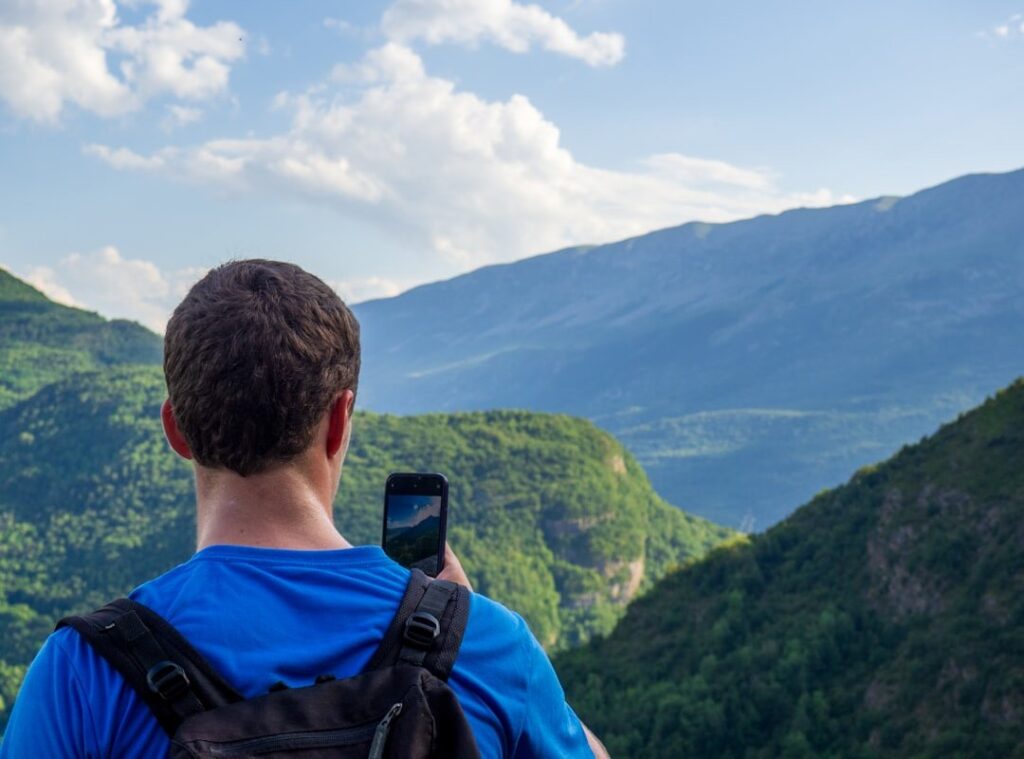
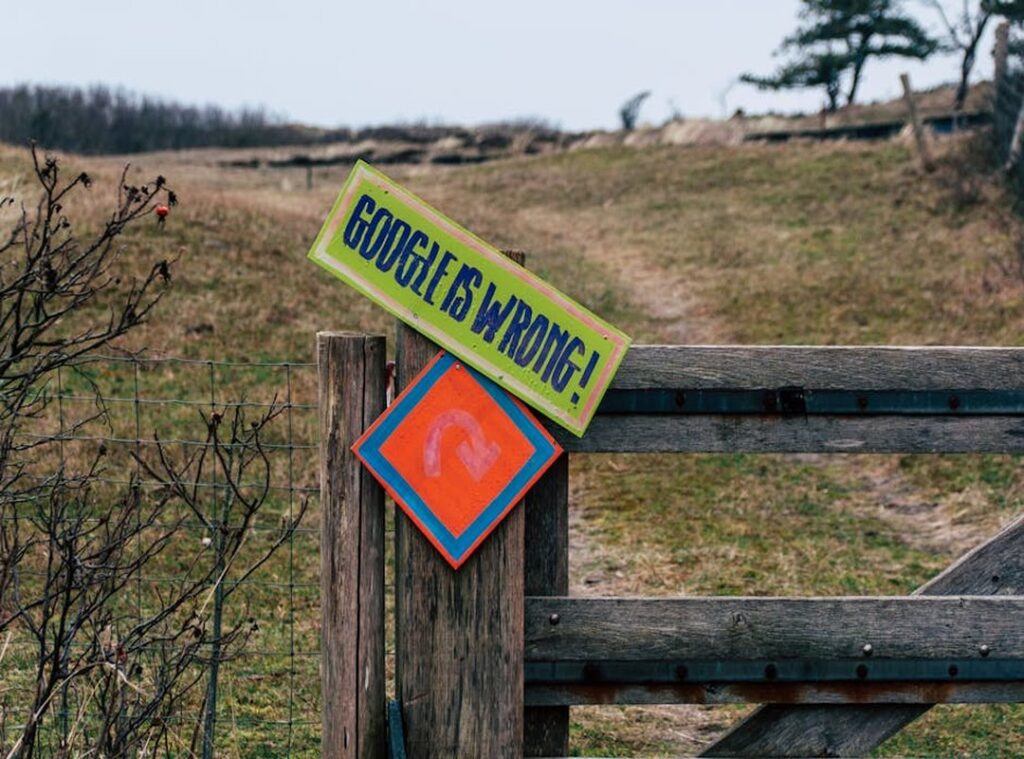
You know that moment when you’re hiking and suddenly realize the stream’s on the wrong side of the trail? Panic sets in. Even seasoned navigators aren’t immune to getting lost.
I’ve been there. I’ve spent years on trails, not just navigating but studying why people make mistakes that lead to dangerous paths.
It’s not just about gear; it’s about mindset. One error can snowball into a survival situation. This article digs into those navigation mistakes trails can pull you into, explaining how a single oversight creates a domino effect.
We’ll explore a clear system to spot and fix these errors before they spiral out of control. Trust me, this isn’t just theory. It’s about real-world experience, turning confusion into confidence on the trail.
Ready to master navigation? Let’s dive in.
The First Misstep: Unpacking Navigation Blunders
Every epic failure has a humble beginning. Most of the time, it’s a tiny mistake that snowballs into a disaster. It starts with a simple misstep or oversight.
How often have we heard about someone getting lost because they strayed from the path they knew too well? Complacency is a silent stalker.
You know that familiar trail like the back of your hand, right? That’s precisely when you let your guard down. You think, “I don’t need to pay attention (I) know this place.” And that’s how you miss the key turn.
It’s almost as if the trail tricks you when you’re comfortable.
Maps are another trap. They’re great, but only if you read them right. Misreading contour lines can send you spiraling into confusion.
And mistaking a stream for a trail (rookie) error. Not orienting the map with a compass? A recipe for wandering.
Maps aren’t just for decoration; they demand respect and understanding.
And let’s talk about ignoring the compass. We all have that friend (maybe it’s you) who insists on navigating by “feel.” Trusting the sun’s position or just a gut sense is a fast track to getting lost when clouds roll in or trees block your view.
Honestly, pacing and time are often underestimated. You think a section will take an hour, but it takes two. Then the rush starts, and errors follow.
Slow down and calculate.
For those who want to avoid these pitfalls, check out these top 5 apps for trail navigation. Trust me, they can save you a lot of hassle.
The Cascade Effect: Unraveling Dangerous Pathways
Ever been on a hike and felt that strange nagging doubt? I have. It starts with a small error.
Picture this: a hiker, let’s call him Jack, misreads the map. That’s Error 1. He thinks he’s on track so he keeps moving.
But then he begins to force the terrain to fit what he believes the map should show. That’s Error 2, folks.
This is where things get tricky. You see, we humans have this strange quirk called confirmation bias. It’s where we twist reality to fit our beliefs.
Jack sees a change in vegetation but ignores it. He wants the terrain to match his map, so he convinces himself it’s still right. The absence of trail markers?
Easily explained away in his head.
Why push on when everything’s screaming “stop”? It’s that damn summit fever. The kind of constant drive to reach the end despite red flags.
Jack dismisses the lack of clear paths. He’s not crazy; he’s just caught in a web of his own making.
Before long, Jack’s way off course. Lost in a forest that now feels like another world entirely. His simple navigation mistakes trails into a serious situation.
Correcting a small error becomes a mammoth task. It’s like trying to rewind a tape you’ve tangled up (remember those days of cassettes?).
This story isn’t just about hiking. It’s a lesson in how small errors build into massive problems. It’s about knowing when to pause and reassess.
And it illustrates the psychological traps we all fall into. If you’re curious about more ways these mistakes happen, check out navigation mistakes trails. Trust me, this isn’t just about getting lost in the woods.
It’s about understanding where our choices can lead us. And learning to recognize a wrong turn before it spirals out of control.
Red Flags: Are You Lost on the Trail?
Out there in the wild, navigation mistakes on trails are more common than you’d think. The terrain doesn’t match the map? That’s a red flag.

If trail markers start vanishing, something’s off. Maybe you cross an unexpected landmark (or) worse, don’t cross the one you were expecting. Those significant changes in elevation can mess with your head.
It doesn’t add up, does it?
Let’s talk about what’s happening inside your head. Feeling uneasy? Arguing with your compass?
That’s bad news. Telling yourself “it’s just around the next bend” over and over? That’s denial, my friend.
Rushed or frustrated? Stop.
The most key rule in this survival game: Trust your gut. If it screams something’s wrong, listen. Stop immediately.
You can always retrace your steps. (A life lesson, really.)
I remember the time I thought I’d conquered a new trail. I ignored the signs. Terrain was off, no markers in sight.
I kept telling myself it was just around the corner. My gut knew better.
Looking back, I should have brushed up on my map skills. If you’re in the same boat, check out this understanding topographic maps guide. It might save you a headache.
Or worse.
So, is it a gut feeling or wishful thinking? Next time you wonder, you’ll know. Environmental and internal signals are there for a reason.
Don’t ignore them. It’s not just about reading the map. It’s about reading yourself.
Stay sharp out there.
The S.T.O.P. Protocol: Reset Your Course
When you’re lost, panic is your worst enemy. That’s why I swear by the S.T.O.P. protocol. It’s not just another acronym.
It’s a mental reset button for those navigation mistakes trails throw at you. Let me break it down.
First, S – Stop. You might think moving is progress, but stop right there. Halting is your first win.
It sounds simple, but trust me, it’s the hardest part. This pause saves energy and clears your head.
Next up, T – Think. Calm your mind. Take a breath.
When did you last know where you were? Recollect the clues you have. This isn’t the time for panic.
It’s about clarity.
Then, O – Observe. Look around. What’s the terrain telling you?
Use that compass. If you don’t have one, check the sun’s position. Are there any landmarks?
Listen. Water’s sound or the distant hum of a road can guide you.
Finally, P – Plan. This is key. Should you backtrack to your last known location?
Or is it wiser to reorient from here? Safety first, always. No risky gambles.
It’s about finding the trail with confidence.
Don’t let the trail beat you. The S.T.O.P. protocol isn’t just about survival. It’s about smart decisions.
Remember it next time you’re out there. It’ll keep you grounded and moving in the right direction.
Own Your Trail, Fix Your Mistakes
Don’t fear navigation mistakes trails happen. The trick? Spot the first wrong turn before it spirals into chaos.
You’ve been there. That creeping panic when small errors snowball into disaster. Don’t let it get that far.
The S.T.O.P. protocol is your lifeline. It’s a sturdy rope when you’re dangling off the cliff of uncertainty. Practice these skills on your next hike.
Even on familiar routes. Build the mental toughness you need to get through confidently. Trust me, it’s worth the effort.
Ready to take control? Next time you hit the trail, test yourself. Call the shots, own your path.
 Founder & CEO
Ozirian Esthoven has opinions about hidden gems. Informed ones, backed by real experience — but opinions nonetheless, and they doesn't try to disguise them as neutral observation. They thinks a lot of what gets written about Hidden Gems, Camp Setup Essentials, Wilderness Survival Approaches is either too cautious to be useful or too confident to be credible, and they's work tends to sit deliberately in the space between those two failure modes.
Reading Ozirian's pieces, you get the sense of someone who has thought about this stuff seriously and arrived at actual conclusions — not just collected a range of perspectives and declined to pick one. That can be uncomfortable when they lands on something you disagree with. It's also why the writing is worth engaging with. Ozirian isn't interested in telling people what they want to hear. They is interested in telling them what they actually thinks, with enough reasoning behind it that you can push back if you want to. That kind of intellectual honesty is rarer than it should be.
What Ozirian is best at is the moment when a familiar topic reveals something unexpected — when the conventional wisdom turns out to be slightly off, or when a small shift in framing changes everything. They finds those moments consistently, which is why they's work tends to generate real discussion rather than just passive agreement.
Founder & CEO
Ozirian Esthoven has opinions about hidden gems. Informed ones, backed by real experience — but opinions nonetheless, and they doesn't try to disguise them as neutral observation. They thinks a lot of what gets written about Hidden Gems, Camp Setup Essentials, Wilderness Survival Approaches is either too cautious to be useful or too confident to be credible, and they's work tends to sit deliberately in the space between those two failure modes.
Reading Ozirian's pieces, you get the sense of someone who has thought about this stuff seriously and arrived at actual conclusions — not just collected a range of perspectives and declined to pick one. That can be uncomfortable when they lands on something you disagree with. It's also why the writing is worth engaging with. Ozirian isn't interested in telling people what they want to hear. They is interested in telling them what they actually thinks, with enough reasoning behind it that you can push back if you want to. That kind of intellectual honesty is rarer than it should be.
What Ozirian is best at is the moment when a familiar topic reveals something unexpected — when the conventional wisdom turns out to be slightly off, or when a small shift in framing changes everything. They finds those moments consistently, which is why they's work tends to generate real discussion rather than just passive agreement.