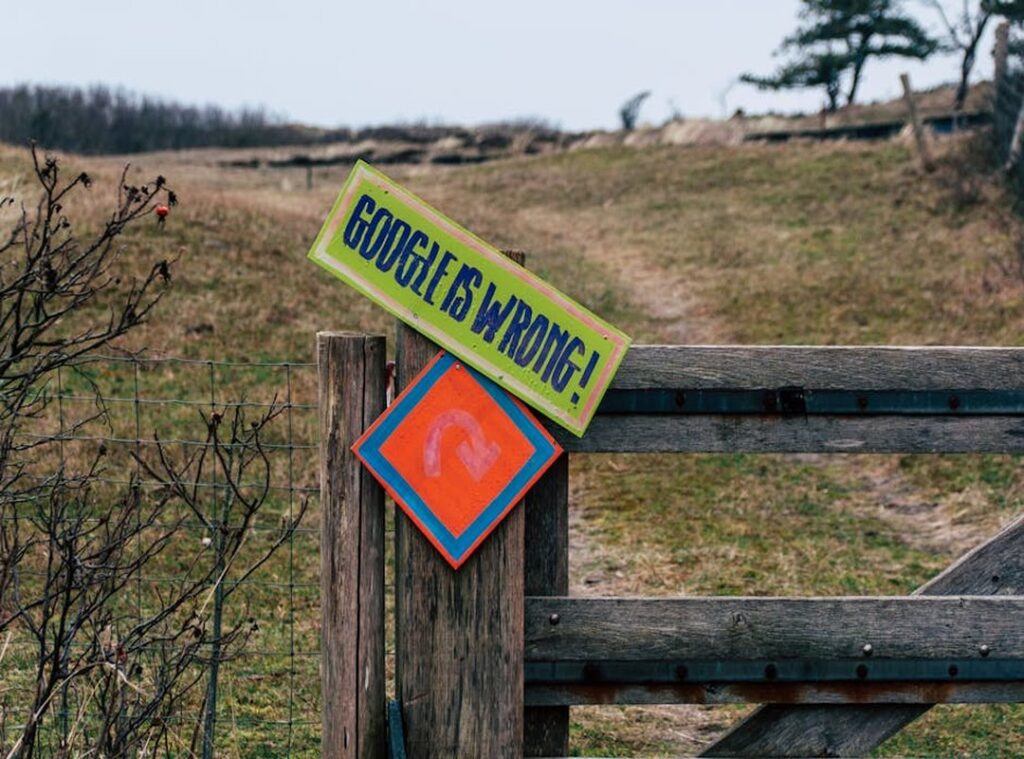
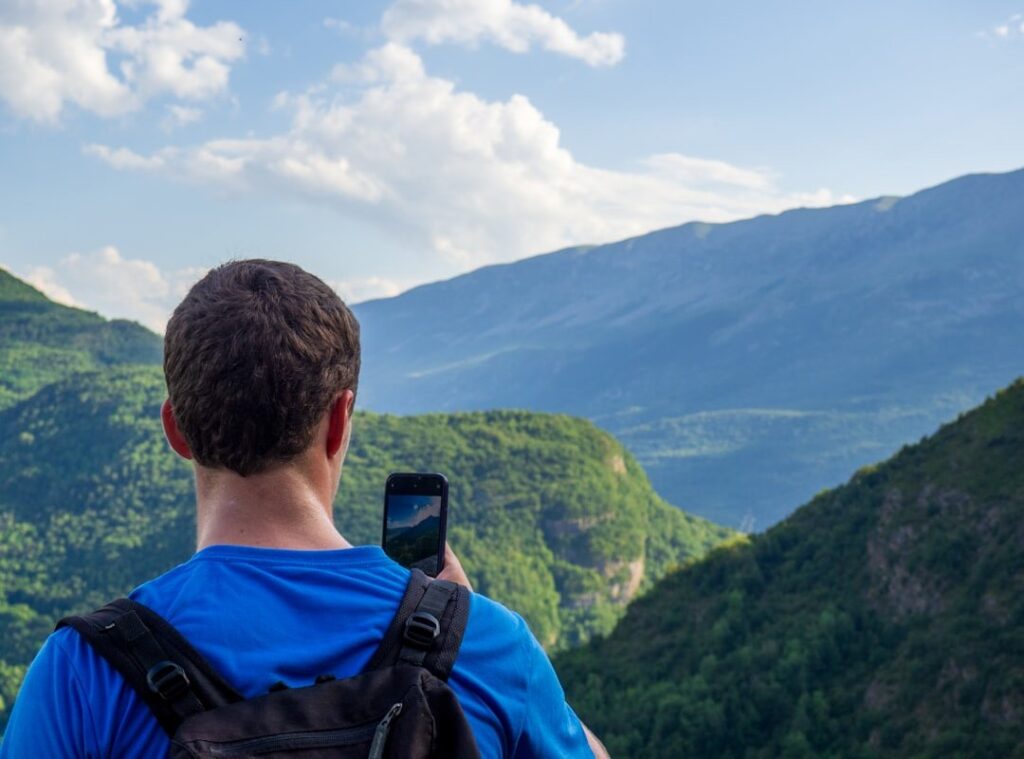
You’re on the trail, and suddenly the path disappears. Fog rolls in, creating a misty maze. Ever been there?
I sure have. That’s when your GPS should shine, but here’s the catch: it’s not magic. Treating it like one without the right know-how is a ticket to trouble.
I’ve spent years off the beaten path, figuring out what really works. This isn’t some regurgitated user manual stuff. These are field-tested methods, honed by necessity and survival.
You want to rely on your device? You need to master it. I’m talking about gps hiking best practices that go beyond the basics.
This guide will give you the confidence to tackle any trail, any time. Ready to become truly self-reliant in the wilderness? Let’s get started.
Pre-Hike GPS Mastery: The Foundation of Safe Navigation
Let’s get one thing straight: 80% of successful GPS navigation is nailed down before you even hit the trail. Yeah, I’m serious. You know what’s not up to the task?
Those pre-loaded base maps. They’re practically useless for serious hiking. You need to download high-quality topographic maps for your specific area.
Don’t cut corners here.
Before you plan, pick your tool (Garmin) BaseCamp or CalTopo work well. Map out your route on a computer with precision. Mark important waypoints like the trailhead, water spots, junctions, summits, and emergency exits.
These points are your lifeline, not just little dots on a screen.
Firmware updates on your GPS device? Non-negotiable. Always check for updates before you go (one) small bug can ruin your whole trip.
At the trailhead, get a strong satellite lock. Stand in a clear area to avoid any interference. This sometimes takes a few minutes, but it calibrates the device for the adventure ahead.
Just imagine the device failing at a key moment. No thanks.
After all, in the wild, preparation saves headaches.
And while you’re at it, don’t forget to peek at some more tips on avoiding navigation mistakes trails for a deep dive into gps hiking best practices. Be smart, plan ahead, and keep yourself safe out there.
On-the-Trail Essentials: Using Your GPS Like a Pro
So you’re out there, backpack loaded, boots laced, and ready to tackle the wilderness. But have you really mastered using your GPS? It’s not just a fancy gadget; it’s your lifeline.
First off, let’s talk about the Track Log feature. Think of it as a digital breadcrumb trail. It records your path, helping you retrace your steps if you start feeling lost (which, let’s be honest, happens).
Ever tried “map-to-ground” verification? It’s a technique where you match what you see on your GPS screen with the landmarks around you. You might spot a creek crossing or a ridge.
Use these as your checkpoints. Keeps you aware and in control. I’ve seen too many hikers facepalm because they didn’t check their surroundings.
The trick? Understand the compass screen and that little arrow. They’re not just decoration.
Now, the “Go To” function. It’s pretty straightforward. You pre-load a waypoint, and your GPS guides you there.
In open terrain, knowing how to follow these is key. No marked trail? No problem.
Here’s a pro tip: tether your GPS to your pack strap. Keeps it handy and lessens the risk of losing it mid-hike. Also, a screen protector and waterproof pouch are non-negotiable.
You wouldn’t dive into a pool with your phone, right?
Remember, gps hiking best practices aren’t just for the experienced. They’re for anyone who wants to hike smart and safe. This trail is calling, and your GPS should be your best friend out there.
Waypoints, Routes, and Tracks: GPS Navigation Demystified
GPS got you puzzled? It doesn’t have to be. Let’s break down these three core concepts.
A waypoint is a single, specific location on your map (a) digital pin. Think “Campsite” or “Unmarked Spring.” It’s where you want to go or mark something important. Simple, right?
Now, a route is your pre-planned path. Picture it as your trip itinerary, connecting those waypoints. It’s like the flight plan you file before takeoff.
You follow this to stick to your plan and avoid getting lost in the wilderness. But what if you do stray off course?
tracks come in. Tracks are the recorded log of your journey. They show exactly where you’ve been, like a breadcrumb trail.
This is your go-to tool if you need to retrace your steps. If you’re serious about gps hiking best practices, tracks are non-negotiable. They’re what get you un-lost.
So how do you mark a new waypoint? Easy. Spot an important location on your hike?
Just drop a pin. Want to backtrack? Use the ‘TracBack’ feature.
It helps reverse your course. And if you’re looking to dive deeper into mapping, the Understanding Topographic Maps Guide is your next stop.
There you have it. Waypoints, routes, and tracks. Three tools that transform your GPS from a mystery into a map.
Don’t leave home without mastering them.
Battery Life and Power Management: Your GPS’s Lifeline
Let’s talk about the most overlooked problem with GPS hiking: power loss. It’s where “gps hiking best practices” start going south. The battery drains fast, and the cold makes it worse.

If you’re not ready, you’ll be stuck with a fancy paperweight miles from nowhere.
First off, the screen backlight is a killer. It’s bright, sure, but it sucks juice like a vampire. Then there’s the constant screen refreshing (it) eats up power, too.
Add cold temperatures, and you’re in trouble.
Here’s what I do: lower the backlight to the bare minimum, set the track interval to ‘auto’ or longer, and turn off the device completely during long breaks. And never, ever forget a full set of spare LITHIUM batteries. They’re way better than alkaline when it’s cold.
For those with rechargeable units, a fully charged power bank and the right cable are non-negotiable.
For more on how to keep your GPS and gear working, check out this backpacking navigation toolkit intro maps equipment skills. It’s important reading for anyone serious about staying on track.
When Tech Fails: Stay Prepared or Stay Lost
Every hiker must face the bitter truth: electronics will fail. It’s not a question of if, but when. Bet the bank on it.
That means no hike starts without a physical, waterproof topographic map and a reliable magnetic compass in your pack. These aren’t trophies. These are survival essentials.
Do you know how to use them together? You’d better. Learn how to orient that map before you feel lost.
Now, what about GPS hiking best practices? A GPS device is great (until) it dies. But even a dead GPS is useful. (Surprising, right?) Your last known coordinates can be your lifeline.
Plot those numbers on your physical map, and you just might find your way out. This combo isn’t just for boy scouts. It’s for anyone who refuses to become a statistic.
So, what are you packing? Choose wisely. Prepare.
Be the hiker who always comes back.
The Trail Awaits You
You’ve got the toolkit now. A complete system, not just scattered advice. We all fear being stranded or lost on a trail, right?
But that nagging worry? Gone. With the right preparation, savvy trail techniques, and a trusty analog backup, you’re set.
Don’t just take my word for it. Try it yourself. Load that route.
Start with one pre-hike tip today. You’re building habits that stick. These gps hiking best practices will change your outdoor game.
Remember, confidence grows with action. So, ready to conquer the trails? Dive in.
Your next adventure is calling.
 Founder & CEO
Ozirian Esthoven has opinions about hidden gems. Informed ones, backed by real experience — but opinions nonetheless, and they doesn't try to disguise them as neutral observation. They thinks a lot of what gets written about Hidden Gems, Camp Setup Essentials, Wilderness Survival Approaches is either too cautious to be useful or too confident to be credible, and they's work tends to sit deliberately in the space between those two failure modes.
Reading Ozirian's pieces, you get the sense of someone who has thought about this stuff seriously and arrived at actual conclusions — not just collected a range of perspectives and declined to pick one. That can be uncomfortable when they lands on something you disagree with. It's also why the writing is worth engaging with. Ozirian isn't interested in telling people what they want to hear. They is interested in telling them what they actually thinks, with enough reasoning behind it that you can push back if you want to. That kind of intellectual honesty is rarer than it should be.
What Ozirian is best at is the moment when a familiar topic reveals something unexpected — when the conventional wisdom turns out to be slightly off, or when a small shift in framing changes everything. They finds those moments consistently, which is why they's work tends to generate real discussion rather than just passive agreement.
Founder & CEO
Ozirian Esthoven has opinions about hidden gems. Informed ones, backed by real experience — but opinions nonetheless, and they doesn't try to disguise them as neutral observation. They thinks a lot of what gets written about Hidden Gems, Camp Setup Essentials, Wilderness Survival Approaches is either too cautious to be useful or too confident to be credible, and they's work tends to sit deliberately in the space between those two failure modes.
Reading Ozirian's pieces, you get the sense of someone who has thought about this stuff seriously and arrived at actual conclusions — not just collected a range of perspectives and declined to pick one. That can be uncomfortable when they lands on something you disagree with. It's also why the writing is worth engaging with. Ozirian isn't interested in telling people what they want to hear. They is interested in telling them what they actually thinks, with enough reasoning behind it that you can push back if you want to. That kind of intellectual honesty is rarer than it should be.
What Ozirian is best at is the moment when a familiar topic reveals something unexpected — when the conventional wisdom turns out to be slightly off, or when a small shift in framing changes everything. They finds those moments consistently, which is why they's work tends to generate real discussion rather than just passive agreement.