
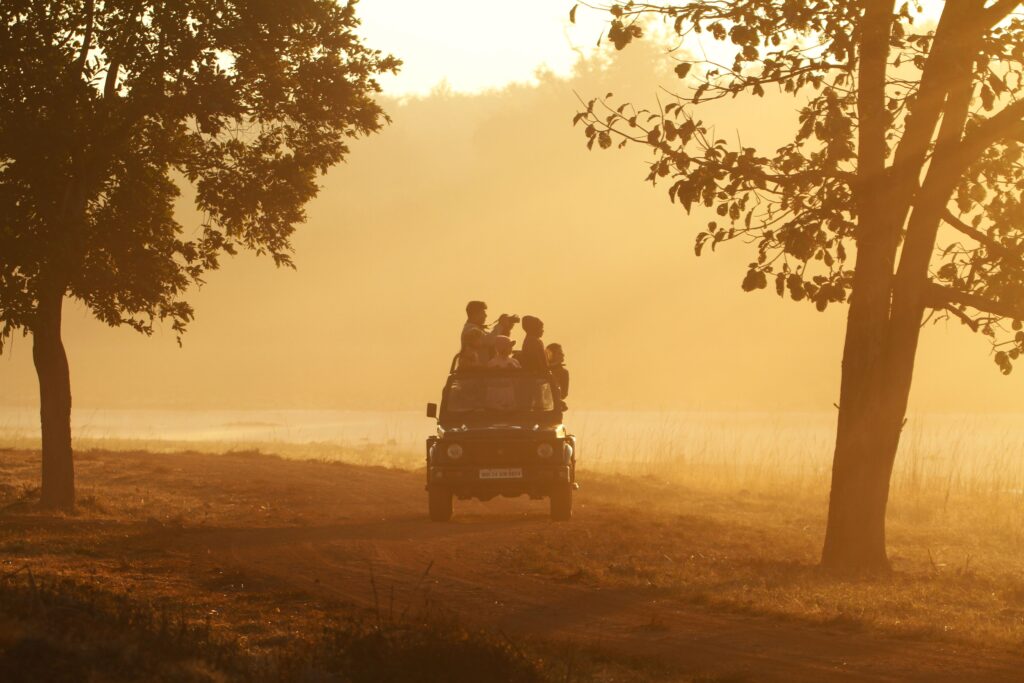
Wildlife tourism is experiencing a strong resurgence as more travelers seek meaningful, nature-focused experiences that offer both adventure and environmental connection. Rather than traditional city breaks or resort stays, many tourists are now prioritizing destinations that provide close encounters with wildlife, conservation education, and immersive outdoor environments.
Industry data from global travel organizations indicates steady year-on-year growth in eco-tourism and wildlife-based travel, particularly in regions with rich biodiversity. This shift is being driven by a combination of environmental awareness, social media influence, and a growing desire for slower, more purposeful travel experiences.
As a result, destinations that offer authentic wildlife encounters are seeing increased demand across all age groups.
A Shift Toward Nature-Centered Travel
Modern travelers are increasingly looking for experiences that go beyond sightseeing. Wildlife tourism offers an opportunity to engage directly with natural ecosystems while supporting conservation efforts.
Popular activities include:
- guided wildlife safaris
- birdwatching expeditions
- marine life excursions
- rainforest trekking
- conservation volunteer programs
This trend reflects a broader shift in consumer values, where experiences are often prioritized over material purchases.
Many travelers also choose destinations specifically based on biodiversity and environmental significance.
African Safari Expeditions Remain a Major Attraction
Among the most iconic wildlife tourism experiences are African safari expeditions, which continue to attract millions of visitors each year.
These journeys offer opportunities to observe:
- elephants, lions, and giraffes in natural habitats
- migration patterns across savannah landscapes
- protected national parks and reserves
- guided ecological education experiences
Countries such as Kenya, Tanzania, South Africa, and Botswana remain top destinations for safari tourism due to their well-established conservation infrastructure and rich wildlife populations.
Safari tourism also plays an important economic role in supporting local communities and conservation funding.
Conservation Is Becoming Central to Tourism Experiences
One of the most significant developments in wildlife tourism is the growing integration of conservation-focused initiatives into travel experiences.
Many lodges and tour operators now actively participate in:
- habitat restoration projects
- wildlife protection programs
- anti-poaching initiatives
- species monitoring efforts
- community education programs
Travelers are increasingly interested in knowing that their visits contribute positively to environmental protection.
This has led to a rise in eco-lodges and sustainable tourism certifications across major wildlife destinations.
Sustainability Practices Are Expanding Across the Industry
Environmental responsibility has become a core focus for the tourism sector. Many wildlife tourism operators are adopting sustainable infrastructure and operational practices to reduce environmental impact.
Key initiatives include:
- renewable energy use in lodges
- reduced plastic consumption
- locally sourced food programs
- low-impact transportation options
- water recycling and conservation programs
These measures help ensure that tourism does not negatively impact fragile ecosystems while supporting long-term environmental preservation.
Sustainability is now a major factor in traveler decision-making when selecting wildlife-focused destinations.
Technology Is Enhancing Wildlife Experiences
Technology is playing an increasing role in how travelers experience wildlife tourism.
Innovations include:
- GPS-enabled tracking of animal movements
- drone-based ecological monitoring
- mobile wildlife identification apps
- virtual guided tours of protected areas
- real-time habitat data visualization
These tools enhance both education and engagement, allowing visitors to better understand ecosystems and conservation challenges.
Technology also helps tour operators improve safety and efficiency during wildlife excursions.
Photography and Social Media Drive Interest
Wildlife tourism has also been significantly influenced by photography culture and social media platforms. Stunning images and videos of wildlife encounters often inspire travelers to visit specific destinations.
Popular content includes:
- close-up animal photography
- sunrise safari landscapes
- underwater marine footage
- wildlife migration documentaries
- conservation storytelling posts
This visual storytelling has helped raise global awareness of endangered species and protected environments.
As a result, wildlife tourism has become both an experiential and digital phenomenon.
Travelers Seek Deeper Cultural Connections
Beyond wildlife observation, many tourists are also interested in engaging with local communities near conservation areas.
Experiences may include:
- cultural village visits
- local craft workshops
- traditional storytelling sessions
- community-led eco-tours
- educational conservation programs
These interactions provide a more holistic understanding of how human communities coexist with natural ecosystems.
This integration of cultural and environmental tourism adds depth to wildlife travel experiences.
Global Events Influence Travel Interest
International attention on sporting and cultural events can also influence travel behavior, as audiences become more globally aware and interested in diverse destinations.
In some cases, individuals exploring travel options or following global competitions like the World Cup may also engage with broader entertainment ecosystems, including sports-related platforms such as DraftKings, while planning future international trips or researching destinations featured in global media coverage.
This interconnected digital environment often contributes to increased curiosity about different regions and travel experiences.
Economic Impact on Local Communities
Wildlife tourism plays a significant role in supporting rural and remote economies. Revenue generated from tourism often contributes directly to conservation and community development.
Economic benefits include:
- job creation in hospitality and guiding services
- funding for conservation programs
- infrastructure development in remote regions
- support for local artisans and businesses
- education and training opportunities
These benefits make wildlife tourism an important part of sustainable economic development in many regions.
The Future of Wildlife Tourism
Looking ahead, wildlife tourism is expected to continue evolving toward more sustainable, educational, and technology-enhanced experiences. Travelers are increasingly seeking authenticity and environmental responsibility in their journeys.
Future developments may include:
- expanded eco-certified travel networks
- AI-assisted wildlife tracking systems
- carbon-neutral safari operations
- immersive augmented reality nature guides
- deeper integration of conservation funding models
These innovations are likely to further strengthen the connection between tourism and environmental preservation.
A Growing Commitment to Responsible Exploration
Wildlife tourism is no longer just about observing animals in their natural habitats—it is about participating in a broader ecosystem of conservation, education, and sustainability. As travelers become more conscious of their environmental impact, destinations and operators are responding with more responsible and immersive experiences.
From African safari expeditions to marine conservation programs, the industry continues to evolve in ways that balance adventure with preservation. With sustainability measures such as water recycling and conservation programs becoming more widespread, wildlife tourism is positioning itself as a model for responsible global travel in the years ahead.
 Outdoor Skills Instructor
There is a specific skill involved in explaining something clearly — one that is completely separate from actually knowing the subject. Gerald Lopezainab has both. They has spent years working with camp setup essentials in a hands-on capacity, and an equal amount of time figuring out how to translate that experience into writing that people with different backgrounds can actually absorb and use.
Gerald tends to approach complex subjects — Camp Setup Essentials, Core Outdoor Skills and Tactics, Hidden Gems being good examples — by starting with what the reader already knows, then building outward from there rather than dropping them in the deep end. It sounds like a small thing. In practice it makes a significant difference in whether someone finishes the article or abandons it halfway through. They is also good at knowing when to stop — a surprisingly underrated skill. Some writers bury useful information under so many caveats and qualifications that the point disappears. Gerald knows where the point is and gets there without too many detours.
The practical effect of all this is that people who read Gerald's work tend to come away actually capable of doing something with it. Not just vaguely informed — actually capable. For a writer working in camp setup essentials, that is probably the best possible outcome, and it's the standard Gerald holds they's own work to.
Outdoor Skills Instructor
There is a specific skill involved in explaining something clearly — one that is completely separate from actually knowing the subject. Gerald Lopezainab has both. They has spent years working with camp setup essentials in a hands-on capacity, and an equal amount of time figuring out how to translate that experience into writing that people with different backgrounds can actually absorb and use.
Gerald tends to approach complex subjects — Camp Setup Essentials, Core Outdoor Skills and Tactics, Hidden Gems being good examples — by starting with what the reader already knows, then building outward from there rather than dropping them in the deep end. It sounds like a small thing. In practice it makes a significant difference in whether someone finishes the article or abandons it halfway through. They is also good at knowing when to stop — a surprisingly underrated skill. Some writers bury useful information under so many caveats and qualifications that the point disappears. Gerald knows where the point is and gets there without too many detours.
The practical effect of all this is that people who read Gerald's work tend to come away actually capable of doing something with it. Not just vaguely informed — actually capable. For a writer working in camp setup essentials, that is probably the best possible outcome, and it's the standard Gerald holds they's own work to.