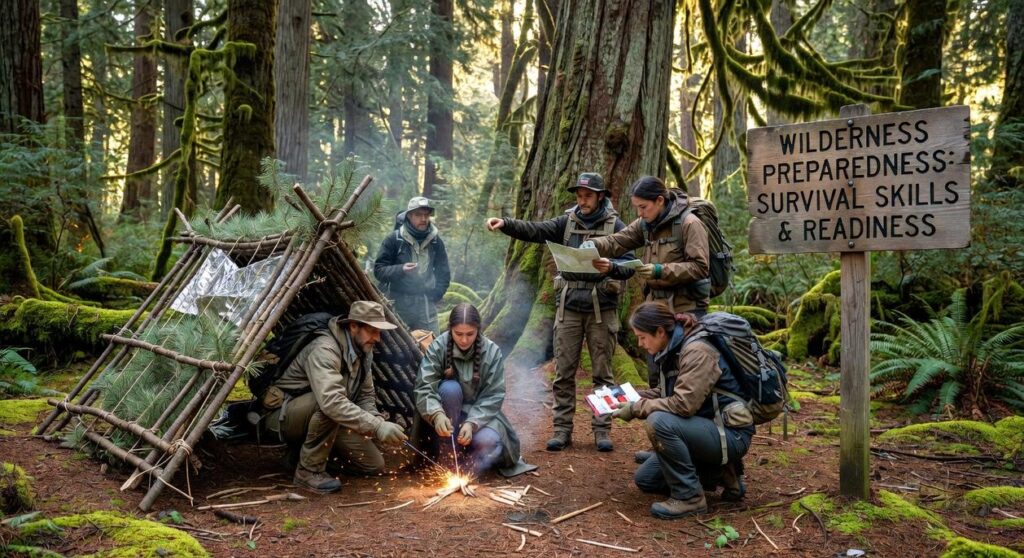
Crowded trailheads and packed viewpoints can make even the most scenic hike feel ordinary. If you’re craving solitude, challenge, and the quiet thrill of discovery, this guide is built for you. We focus on helping you move beyond popular routes and confidently explore remote hiking trails where true wilderness still thrives. You’ll learn repeatable skills in digital scouting, off-trail navigation, and safe backcountry planning—so you’re not relying on someone else’s list, but building your own. Backed by proven wilderness navigation principles and field-tested techniques, this framework equips you to find, plan, and experience genuinely uncrowded adventures.
Digital Scouting: How to Uncover Hidden Trails from Home
Most hikers think the best routes are already pinned on popular trail apps. I disagree. If everyone can see it, it’s probably not hidden (and definitely not quiet). Real digital scouting starts with topographic maps—detailed representations of terrain using contour lines, which show elevation changes and land shape. Faint, inconsistent contour breaks can hint at old paths, game trails, or manageable cross-country routes. Tools like CalTopo and Gaia GPS let you layer slope shading and historic maps to spot what others scroll past.
Next, switch to satellite imagery reconnaissance. Google Earth Pro isn’t just for sightseeing; it’s a terrain intelligence tool. Scan for subtle linear disturbances in vegetation, small clearings suitable for campsites, and darker green corridors that often signal water sources. Many assume if water isn’t marked, it isn’t there. That’s risky thinking. Seasonal creeks and springs frequently appear only on imagery.
Then, dig into public records. U.S. Forest Service and Bureau of Land Management archives often list decommissioned logging roads or fire service tracks. “Decommissioned” doesn’t mean erased—it usually means unmaintained. With caution and preparation, these routes can lead to remote hiking trails that feel undiscovered.
Here’s the contrarian truth: the best adventures aren’t found by searching “top 10 trails.” They’re built by connecting data points. Cross-reference topo clues, satellite visuals, and agency records to create a plausible, safe route. As a starting point, explore lesser known camping destinations worth exploring.
Pro tip: Always verify access rules before committing. Digital freedom doesn’t override land regulations.
Gearing Up for the Unknown: Your Secluded Trail Checklist
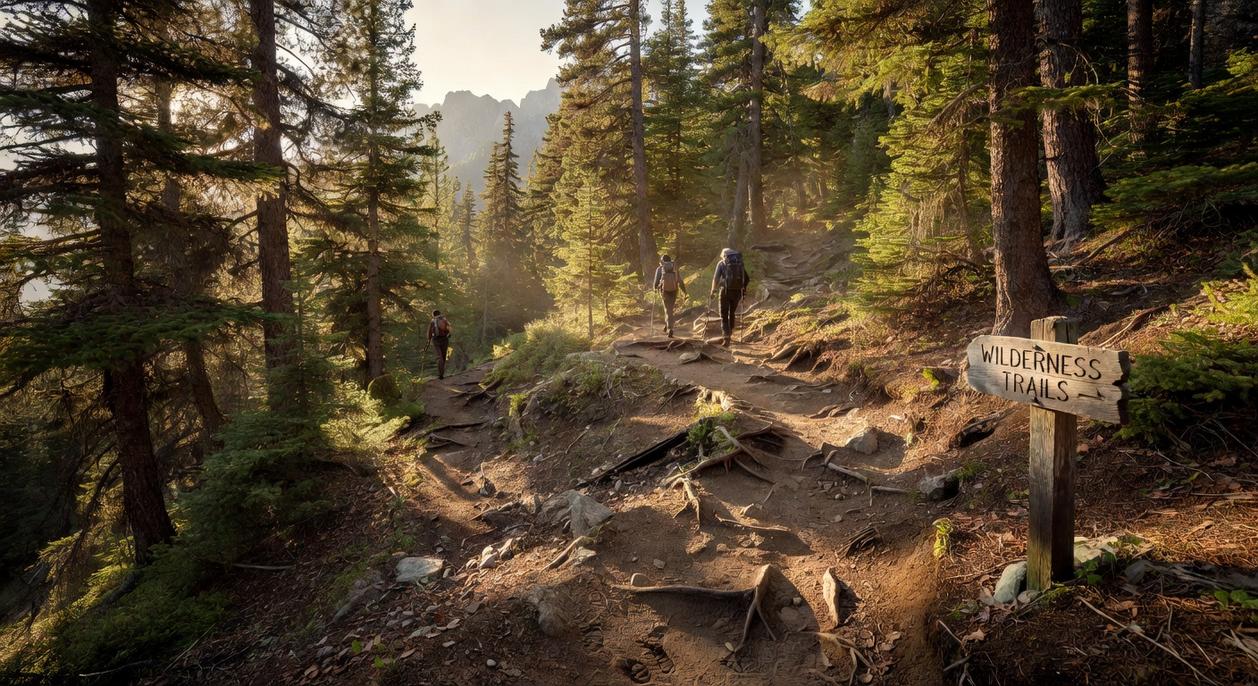
When you’re heading into remote hiking trails, preparation isn’t paranoia—it’s practicality. Think of this checklist as your insurance policy against the unexpected.
The Navigation Trinity
Redundancy is your safety net. Carry:
- A dedicated GPS device or phone with downloaded offline maps (airplane mode saves battery).
- A physical topographic map of the area.
- A quality magnetic compass.
Step-by-step: Before you leave, mark your trailhead, planned route, and bailout points on the map. Practice orienting the map with your compass at home. If your GPS dies (and batteries do die), you’ll still know how to triangulate your position the old-school way.
Lifeline Communication
In no-signal zones, a Personal Locator Beacon (PLB) or satellite messenger is non-negotiable. Clip it to your pack strap, not inside your bag. If you’re injured, you may not be able to dig for it. Test the device registration and send a check-in message before each trip.
A More Robust First-Aid Kit
Upgrade beyond bandages. Pack:
- Blister treatment (moleskin or hydrocolloid pads)
- Elastic wrap and splinting material
- Trauma shears
- Personal medications and antihistamines
Example: A rolled bandana plus trekking poles can create a makeshift splint in minutes.
Essential Survival Items
Focus on the Big Three:
- Emergency bivy or tarp
- Fire-starting kit (lighter and ferro rod)
- Water filter or purification tablets
Practice setting up your tarp in your backyard first (you don’t want your debut performance in a storm). Preparation turns uncertainty into manageable inconvenience.
Core Skills for Wilderness Navigation and Self-Reliance
Reading the Terrain
First, forget the idea that navigation is just “following a blue dot.” Terrain association—the skill of matching what you see on a map to the land around you—is the backbone of off-trail travel. Instead of relying solely on a compass bearing, follow a ridgeline (the high spine of land connecting peaks), stay parallel to a creek, or aim for a saddle (the low point between two high points). These “handrails” and “catch features” act like guardrails for your route. Think less Google Maps, more Lord of the Rings—moving with the landscape, not against it. On remote hiking trails, this mindset keeps small errors from becoming epic detours.
Pacing and Timing on Rough Ground
Next, adjust your expectations. A “wilderness pace” is your average speed over uneven, unmaintained terrain. While a groomed trail might allow three miles per hour, dense brush or talus (loose rock fragments) can cut that to one mile per hour or less. According to Naismith’s Rule, hikers should add time for elevation gain—roughly one hour for every 2,000 feet climbed (British Mountaineering Council). However, critics argue rules like this are outdated in the age of GPS watches. Fair point—but batteries die. Your internal clock shouldn’t. Pro tip: track your pace early in the day before fatigue skews your math.
Advanced Leave No Trace
Furthermore, Leave No Trace becomes non-negotiable in wild country. Catholes—small holes 6–8 inches deep for human waste—should be dug at least 200 feet from water sources (Leave No Trace Center for Outdoor Ethics). Pack out all trash, including food scraps (yes, even that orange peel). Primitive campsites should look untouched when you leave—like a movie set struck overnight.
Proactive Wildlife Safety
Finally, wildlife here isn’t habituated to humans. Store food in bear-resistant canisters, make steady noise while hiking to avoid surprise encounters, and never run during a defensive interaction. With bears, appear larger and speak calmly; with moose, put solid objects between you and the animal. Preparation beats panic—every time.
Embrace the Solitude, Respect the Wild
You set out to learn how to escape the crowds and experience nature on your own terms—and now you have the tools to do exactly that. The pull toward remote hiking trails isn’t just about quiet; it’s about reclaiming adventure, building self-reliance, and protecting the wild places that make those moments possible.
The biggest mistake hikers make is rushing in unprepared or overlooking Leave No Trace principles—putting both themselves and fragile landscapes at risk. You don’t have to be one of them.
Start small today. Scout a lesser-known trail, apply these mapping techniques, and sharpen your wilderness skills step by step. Join thousands of outdoor enthusiasts who rely on our trusted trail insights and survival guidance. Explore smarter, hike farther, and protect what you discover—begin your next quiet adventure now.