The world of outdoor recreation is evolving fast, and outdoor adventure trends 2026 are reshaping how we hike, camp, and explore. From smarter navigation tools to lightweight, sustainable gear and a renewed focus on core wilderness skills, this year brings meaningful shifts for both beginners and seasoned adventurers. Staying current is essential not just for better experiences, but for safety and environmental responsibility. This guide cuts through the hype, highlighting the innovations and skill-building priorities that truly matter. You’ll gain a clear understanding of emerging technologies, ethical practices, and trail-tested strategies to confidently plan your next adventure in 2026.
Trend 1: The Rise of Tech-Enhanced Exploration
Technology is no longer a luxury on the trail—it’s becoming a smart layer of protection and performance. One of the biggest outdoor adventure trends 2026 is the shift from basic GPS tracking to advanced trail mapping apps with augmented reality (AR) overlays—digital graphics placed over your real-world camera view. Hikers can point their phone at a ridgeline and instantly see trail routes, elevation data, and hazard markers. Add real-time weather integration and crowdsourced trail reports, and you’re making decisions with up-to-the-minute intel (which beats guessing when storm clouds roll in).
Wearables are evolving, too. Modern devices monitor biometrics like blood oxygen saturation for high-altitude acclimatization and heart rate variability to prevent overexertion. Pair them with lightweight solar chargers and high-efficiency power banks, and multi-day treks become more sustainable.
Pro tip: Calibrate devices before departure and download offline maps—signal loss is common in remote terrain.
Still, balance is everything. Use tech as a tool, not a crutch:
- Plan routes digitally
- Track changing weather patterns
- Log performance metrics
But always master map and compass navigation as backup. Batteries die. Skills don’t. (And confidence built on competence feels better than blind reliance.)
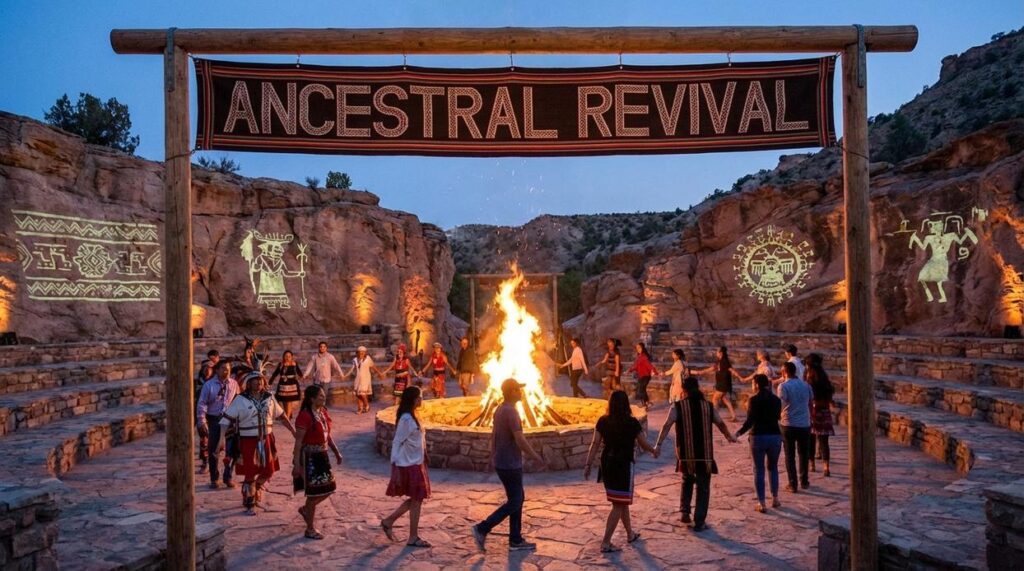
Trend 2: The Revival of Primitive & Ancestral Skills

In a world dominated by algorithms and smart everything, many people are intentionally stepping backward. The renewed interest in bushcraft—the practice of thriving in the wild using traditional skills—isn’t nostalgia. It’s a counter-movement.
From foraging for wild edibles (plants safe to eat in their natural state) to mastering bow drill and flint-and-steel fire-starting, outdoor enthusiasts are trading screens for sparks. Some critics argue this is romanticizing hardship. After all, why struggle to start a fire when you can pack a lighter? Fair point. But the goal isn’t convenience. It’s competence. (There’s quiet confidence in knowing you can create fire from sticks.)
Wilderness survival is also shifting from emergency-only training to recreational pursuit. Building debris shelters, navigating by map and compass, and tracking game without GPS transform a weekend trip into a skills laboratory. Pro tip: start with land navigation—getting un-lost is more valuable than building the perfect shelter.
Hands-on workshops are booming, reflecting a broader push toward self-reliance seen across outdoor adventure trends 2026. If you’re planning trips, understanding how climate patterns are changing backcountry travel plans becomes essential.
Recommendation: take a local bushcraft course, practice one primitive skill per trip, and document progress. Mastery grows through repetition—not YouTube marathons.
Trend 3: Low-Impact Becomes “Positive-Impact” Adventuring
For years, outdoor ethics revolved around “Leave No Trace”—a principle meaning you pass through nature without altering it. But today’s adventurers are treating the outdoors less like a museum and more like a backyard garden: not just preserving it, but tending to it.
This shift toward a “Leave It Better” mindset shows up in simple, powerful ways. Plogging—jogging or hiking while picking up litter—turns exercise into environmental stewardship. Trail maintenance days and removing invasive species (non-native plants that harm ecosystems) transform a weekend hike into hands-on conservation. Think of it as paying rent for the wild places you love (nature notices who tidies up).
Critics argue recreation should stay recreation—why turn every hike into a volunteer shift? Fair point. But adding small acts of restoration doesn’t dilute adventure; it deepens it. You become part of the landscape’s story.
Gear choices reflect this evolution. Adventurers increasingly favor recycled fabrics, repairable tents, and durable boots over disposable fast gear. High-quality equipment acts like a cast-iron skillet—built to last decades, not seasons.
Then there’s the rise of the micro-adventure: exploring local trails instead of flying cross-country. Lower carbon footprint, higher spontaneity. It’s one of the defining outdoor adventure trends 2026, proving that sometimes the boldest journeys start close to home.
Trend 4: New Frontiers in Camp Comfort and Efficiency
Camping in 2026 feels a bit like the gear version of a Marvel multiverse: two parallel philosophies, both convinced they’re the hero.
On one side, minimalist ultralight backpackers shave every possible gram. (Yes, even toothbrush handles.) For them, base weight—the total weight of gear excluding food and water—is a sacred metric. They argue that lighter packs mean longer miles and fewer injuries, and studies from the American Hiking Society support reduced strain with lighter loads. Fair point.
However, the comfort-camping and overlanding crowd counters with a different thesis: if you’re establishing a basecamp, why not make it livable? Rooftop tents, memory-foam pads, and lantern-lit communal spaces feel more REI catalog than survival epic. Critics call it “glamping,” but proponents say comfort keeps newcomers outdoors longer. (And they’re not wrong.)
Meanwhile, modular shelter systems bridge the divide. Hammocks with integrated bug nets and rain tarps create adaptable sleep systems, while connectable tent platforms form communal hubs—think festival village, minus the mud.
Then there’s the backcountry kitchen. Ultra-efficient stoves now boil water in under two minutes, and gourmet trail meals rival home cooking. Some purists insist dehydrated noodles are enough. Yet as outdoor adventure trends 2026 show, morale-boosting meals can be as essential as mileage.
Pro tip: Match your setup to your objective, not your ego.
Your Next Adventure is Calling
The path forward is clear. outdoor adventure trends 2026 are being shaped by smart technology integration, a return to primitive skills, a stronger commitment to sustainability, and evolving camping styles that reflect how we truly want to experience the wild. The core takeaway? The future of outdoor exploration is about intention. Use technology to stay safe. Learn skills that build self-reliance. Choose gear that protects the landscapes you love.
Now it’s your turn. Let these trends inspire your next trip—not define it. Step onto the trail, embrace the journey, and reconnect with the wild in a way that feels authentic to you.