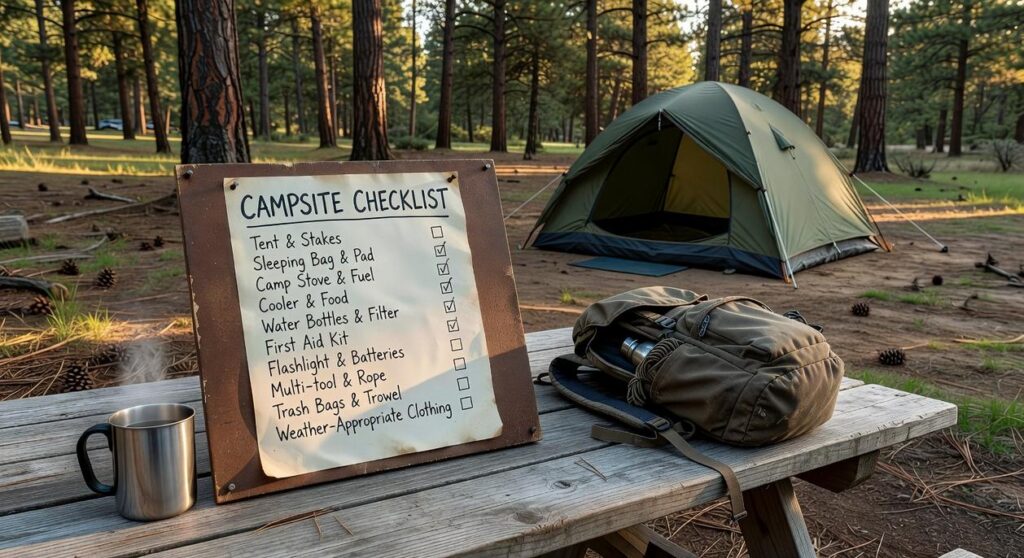
A great trip into the wild begins long before the fire is lit or the tent is pitched. It starts with choosing a safe campsite. This guide goes beyond finding a flat patch of ground and tackles the real challenge: selecting a location that is not only comfortable, but protected from environmental hazards. You’ll learn a systematic, repeatable process for analyzing terrain, spotting risks, and making smart decisions under pressure. Built on decades of in-field experience, this practical framework will help you confidently create a campsite that serves as a true wilderness haven.
The First Rule of Camp Selection: Know Before You Go
Before pitching a tent, do your homework. Trail mapping and topography—meaning the shape and elevation of the land—tell you more than any campsite review. On a topographic map, contour lines that are widely spaced indicate level ground (your back will thank you). Look for water sources nearby, but stay at least 200 feet away to reduce flood and wildlife risks, as recommended by Leave No Trace (lnt.org). Natural windbreaks, like ridges or dense tree stands, can shield you from gusts.
Some argue spontaneity is part of adventure. Fair. But choosing a safe campsite isn’t about killing the vibe; it’s about stacking the odds in your favor.
Next, check regulations. Fire bans and designated sites protect fragile ecosystems and keep you legal (tickets are a terrible souvenir).
Finally, think beyond the forecast. Study wind direction, lightning exposure on ridges, and flash-flood potential in low areas. For setup specifics, review this tent setup guide avoiding common outdoor mistakes.
The Five “W’s” of a Perfect Campsite: A Field-Tested Checklist
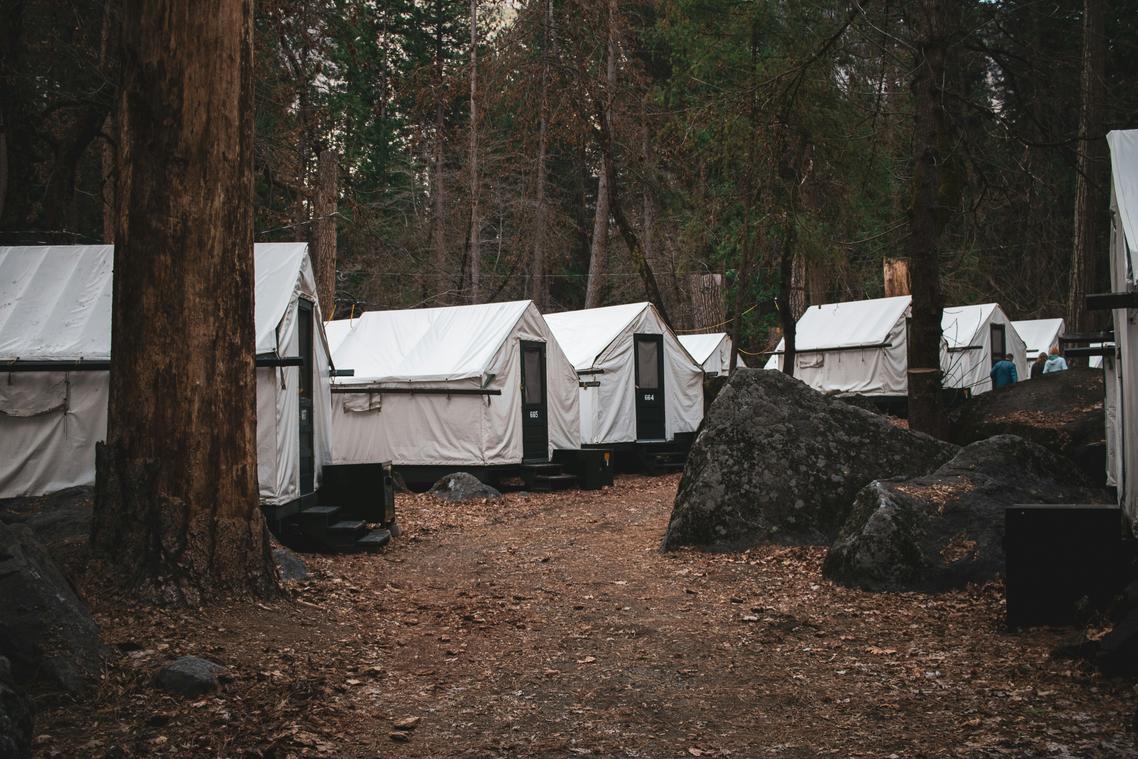
When it comes to choosing a safe campsite, guesswork is your enemy. The Five “W’s” give you a fast, reliable framework to assess any location before you unroll your sleeping pad. Think of it as your backcountry pre-flight check.
Water: The 200-Foot Rule
Camping at least 200 feet from lakes, rivers, or streams protects fragile shorelines and reduces wildlife encounters (the Leave No Trace Center for Outdoor Ethics recommends this standard). Water sources are natural highways for animals—especially at night.
For drinking water, look upstream for clear flow, minimal sediment, and no visible contamination like camps, trails, or livestock crossings. Moving water is generally safer than stagnant pools (though always filter or purify). Pro tip: pace out 70 adult steps to approximate 200 feet.
Wind: Using Terrain as Your Shield
Wind direction shapes comfort and safety. Check grass movement, treetops, or even toss a pinch of dust to identify prevailing wind. Position your tent behind natural windbreaks like rock outcroppings or dense shrubs to create a calmer microclimate.
Avoid narrow valleys that funnel air into “wind tunnels.” They may look sheltered but can amplify gusts dramatically (nature’s version of a surprise plot twist).
Wood: Fuel and Fire Safety
If fires are permitted, scan for dry, dead, and downed wood—never cut live trees. Ensure your fire site is clear of dry grass, roots, and low-hanging branches. A safe fire ring should have mineral soil or rocks surrounding it.
If wood is scarce, skip the fire. Warmth is nice; preventing a wildfire is essential.
Advanced Hazard Assessment: Widowmakers and Wildlife
When choosing a safe campsite, the most dangerous threats are often the ones above or just out of sight. Let’s compare smart awareness with common mistakes.
Widowmakers: Looking Up vs. Looking Around
Most campers scan the ground for comfort. Experienced ones scan the canopy first. A widowmaker (a dead, broken, or hanging tree limb that can fall without warning) is one of the leading causes of backcountry injuries (National Park Service).
Safe site: Live trees with green needles or leaves, solid trunks, and no visible cracks.
Risky site: Dead snags, peeling bark, fungus growth, or branches suspended overhead like nature’s version of a loose chandelier (and gravity always wins).
Certain species—such as pine, fir, and aspen—shed limbs more frequently, especially after drought, wildfire damage, or high winds (U.S. Forest Service). So first look up, then look around.
Wildlife: Quiet Ground vs. Animal Highway
Next, compare subtle terrain with obvious animal activity. A worn path through brush? That’s likely a game trail (a route animals repeatedly travel). Scat, tracks, overturned soil, or flattened grass suggest feeding or bedding areas.
Camp away from these zones. Wildlife values routine; interrupting it invites conflict.
Follow the “Bearmuda Triangle” principle: keep sleeping, cooking, and food storage areas at least 200 feet apart (National Park Service). Kitchen near tent equals curious midnight visitor. Separation equals peaceful sleep.
Drainage: Slight Rise vs. Hidden Bowl
Finally, evaluate ground shape. Durable surfaces like rock, sand, or packed dirt outperform fragile vegetation. A shallow depression may seem flat—until rain turns it into a puddle. Higher ground with gentle slope drains; low ground collects.
In short, compare before committing. Overhead stability, wildlife distance, and drainage define safety far more than a perfect view.
Micro-Positioning: Dialing in the Details
You’ve done the hard part—now it’s time to fine-tune. Choosing a safe campsite doesn’t end with a good view; it ends with smart micro-positioning.
The Quest for “Level Enough”
Perfectly flat is overrated (and rare). Look for a slight, uniform slope and pitch your tent so your head rests uphill. Gravity is subtle, but after six hours you’ll feel it—like sleeping on a slowly sliding treadmill. A gentle incline keeps blood from pooling in your head and helps rain drain naturally.
Morning Sun vs. Evening Shade
Face your tent east to catch early rays that dry condensation fast—nature’s blow dryer. By afternoon, though, you’ll want shade. Think of it like setting your thermostat before a heatwave. Strategic laziness is still strategy.
- Do a final sweep for rocks, pinecones, and roots using your foot or hand—minimal impact, maximum comfort.
Clear gently, scatter debris naturally, and leave the ground looking untouched (as if you were never there—Batman style).
Camp with Confidence: Your New Skillset for Wilderness Security
You set out to learn how to move beyond guesswork and master choosing a safe campsite—and now you have the framework to do it with clarity. No more uncertainty about wind exposure, hidden hazards, or unwanted wildlife encounters. By applying the Five “W’s”—water, wind, wood, widowmakers, and wildlife—you replace doubt with a deliberate system that protects you and your crew.
The next time you hit the trail, put this method into action immediately. Practice it at every stop. Build the habit. Confident campers aren’t lucky—they’re prepared. Start using the Five “W’s” on your very next trip and turn every wilderness stay into a secure, controlled basecamp.