
A routine hike can shift in an instant—daylight fades, the trail disappears, and your phone shows no signal. In that moment, the gap between inconvenience and real danger becomes clear. Without a steady foundation of knowledge, fear can cloud judgment and turn a solvable setback into a crisis. This guide goes beyond packing lists to focus on the principles that truly matter: shelter, water, fire, and navigation. By mastering these non-negotiable priorities, you gain control when conditions turn unpredictable. Here, you’ll learn the practical, time-tested skills that transform uncertainty into confidence and keep you self-reliant beyond the trail.
The Survival Pyramid: Your First 72-Hour Priorities
When people panic in the wild, they usually think about food first. That’s a mistake. The Rule of Threes simplifies survival into a clear hierarchy:
- 3 minutes without air
- 3 hours without shelter in extreme conditions
- 3 days without water
- 3 weeks without food
This isn’t a strict stopwatch. It’s a decision-making framework. It clarifies what actually kills you first—and what deserves your energy.
Priority #1 – Shelter
Exposure (harm from heat, cold, wind, or rain) is often the most immediate threat. Hypothermia can happen in 50°F (10°C) rain if you’re wet and windy (CDC). In hot climates, shade prevents heatstroke.
Site selection matters:
- Avoid deadfall (loose branches overhead)
- Stay clear of flash flood zones like dry riverbeds
- Choose elevated, well-drained ground
Simple shelters include a debris hut (a ridgepole covered in branches and insulated with leaves) or a lean-to angled against wind. These rely on essential bushcraft skills—using natural materials efficiently. (Pro tip: insulation thickness matters more than structure perfection.)
Priority #2 – Water
Dehydration reduces mental clarity and physical coordination fast (WHO). Look for:
- Green vegetation in dry terrain
- Animal tracks converging downhill
- Morning dew in grassy areas
Always purify. Boiling for at least one minute kills pathogens (CDC). Portable filters remove bacteria and protozoa. Purification tablets add chemical treatment when fire isn’t possible.
For deeper preparation, study how to build situational awareness in remote terrain: https://drailegirut.com/how-to-build-situational-awareness-in-remote-terrain/
Priority #3 – Fire
Fire isn’t just warmth. It provides:
- Water purification
- Signaling
- Cooking
- Psychological comfort (morale matters more than people admit)
Build with three components: tinder (fine, dry material), kindling (small sticks), and fuel (larger wood). Reliable ignition tools include a ferro rod, waterproof matches, or a lighter.
Some argue food should rank higher. But calories mean little if you’re hypothermic or delirious from dehydration. Follow the pyramid. Survive first. Thrive later.
Finding Your Way: The Art of Navigation and Signaling
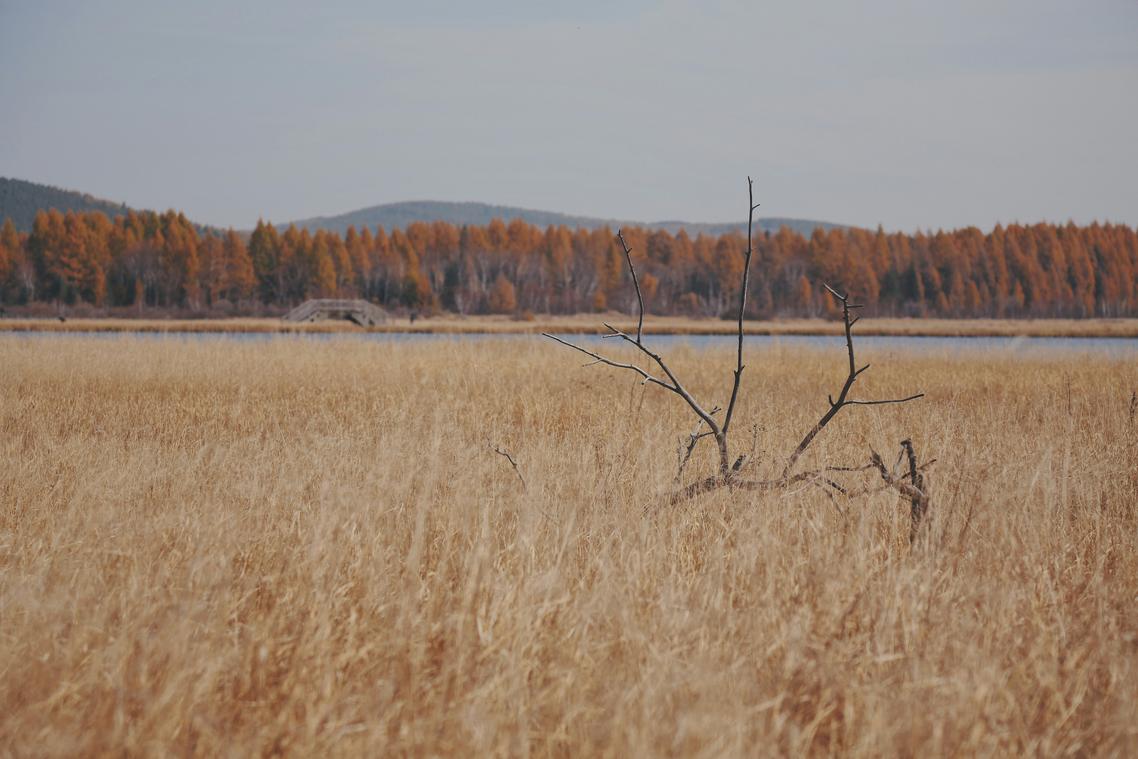
When you realize you’re off trail, panic is the real enemy. That’s where the S.T.O.P. principle comes in:
- Stop – Freeze. Breathe.
- Think – What do you know about your last confirmed location?
- Observe – Check terrain, weather, daylight, and resources.
- Plan – Decide your next move carefully.
Staying put is often the safest strategy. Search teams typically expand outward from your last known point. Moving blindly can widen the search area and complicate rescue. That said, I’ll admit there’s debate here—if you’re in immediate danger (rising water, wildfire, exposure), relocation may be necessary. Context matters.
Navigating without GPS is one of those essential bushcraft skills that feels old-school—until your batteries die. First, orient your map by aligning it with true north using a compass. Then, take a bearing by pointing the compass toward your destination and rotating the housing until the needle aligns with north. Follow that heading, adjusting for terrain. Meanwhile, natural navigation helps: the sun rises roughly east and sets west, and prominent land features—ridges, rivers, rock faces—anchor your sense of direction (think less high-tech gadget, more Aragorn in the wild).
Equally important, make yourself visible. The universal distress signal comes in threes: three whistle blasts, three mirror flashes, or three ground markers spaced evenly. Use a signal mirror by aiming the reflected light through the sighting hole at your target. For daytime rescue, green vegetation on a small fire produces thick smoke—though wind conditions can make results unpredictable. Survival isn’t certainty; it’s stacking odds in your favor.
Your most important survival gear isn’t in your pack. It’s in your head.
The Psychology of Survival
A Positive Mental Attitude (PMA)—the deliberate choice to stay solution-focused under stress—is your primary tool. Studies in survival psychology show that mindset often determines outcomes more than physical strength (Leach, 1994). Fear is natural; panic is optional. I recommend breaking big problems into small, achievable tasks: build a shelter, boil water, treat the blister. Each win restores control (and control quiets chaos).
Some argue mindset talk is overhyped—skills and gear save lives, not optimism. True. But without calm thinking, you won’t use either effectively. Think of it like a movie hero who survives not because they’re fearless, but because they act anyway. That’s PMA.
Essential Wilderness First Aid
Start with the basics. To stop bleeding, apply firm, direct pressure with clean fabric. Clean wounds with safe water, then dress and monitor for redness or swelling. For sprains, stabilize and elevate; use a compression wrap if available. Watch for hypothermia (shivering, confusion) and heat exhaustion (dizziness, heavy sweating). Act early—cool down or warm up before symptoms escalate. I strongly recommend carrying a compact first aid kit and knowing how to use every item.
Improvisation and Resourcefulness
Master essential bushcraft skills. Use sticks and cordage to splint a limb. Turn a bandana into a sling or pressure bandage. Nature provides raw materials; your job is to see possibilities. When gear fails, creativity fills the gap. Pro tip: practice improvising at home so it feels automatic on the trail.
From Knowledge to Instinct: The Path to Preparedness
You set out to understand what real preparedness looks like—and now you know it’s built on a layered system of shelter, water, fire, navigation, and mental fortitude. The real threat in the wild isn’t just exposure or injury; it’s the surge of panic that clouds judgment and wastes precious time. When these core skills become second nature, fear gives way to calm, methodical action.
Don’t wait for a crisis to test yourself. Start in your backyard. Practice, refine, repeat. If you’re ready to replace panic with confidence, explore our proven guides and hands-on training resources—trusted by thousands of outdoorsmen. Begin today and turn knowledge into instinct.