
When you head into the wilderness, preparation is the difference between a memorable adventure and a dangerous mistake. If you’re searching for clear, practical guidance on outdoor survival, trail mapping, camp setup, and emergency shelter building, this article is designed to give you exactly that—concise, field-tested knowledge you can apply immediately.
Many outdoor guides skim the surface, leaving you uncertain when conditions shift or plans fall apart. Here, we focus on essential, real-world skills that matter when weather turns, daylight fades, or you’re navigating unfamiliar terrain. From choosing the right campsite to understanding terrain features and building reliable shelters under pressure, every section is built around practical execution—not theory.
Our insights draw from proven wilderness survival tactics, established outdoor best practices, and up-to-date field techniques trusted by experienced adventurers. Whether you’re preparing for your first backcountry trip or sharpening your existing skill set, this guide will help you move forward with greater confidence, awareness, and resilience outdoors.
Your First Priority After Disaster: Securing Shelter
Immediately after a natural disaster, confusion is common. However, exposure to wind, rain, or sun is the silent threat. Without adequate shelter, hypothermia (dangerous body heat loss), heatstroke (overheating that shuts down organs), and infection can set in long before help arrives.
In other words, protection comes first.
Start by assessing debris for sturdy materials—tarps, doors, sheet metal, even fallen branches. Next, choose high, dry ground away from flood paths. Then construct a low, stable frame that blocks wind and sheds water. Emergency shelter building is not about comfort; it is about survival.
Immediate Assessment: Site Selection and Material Gathering
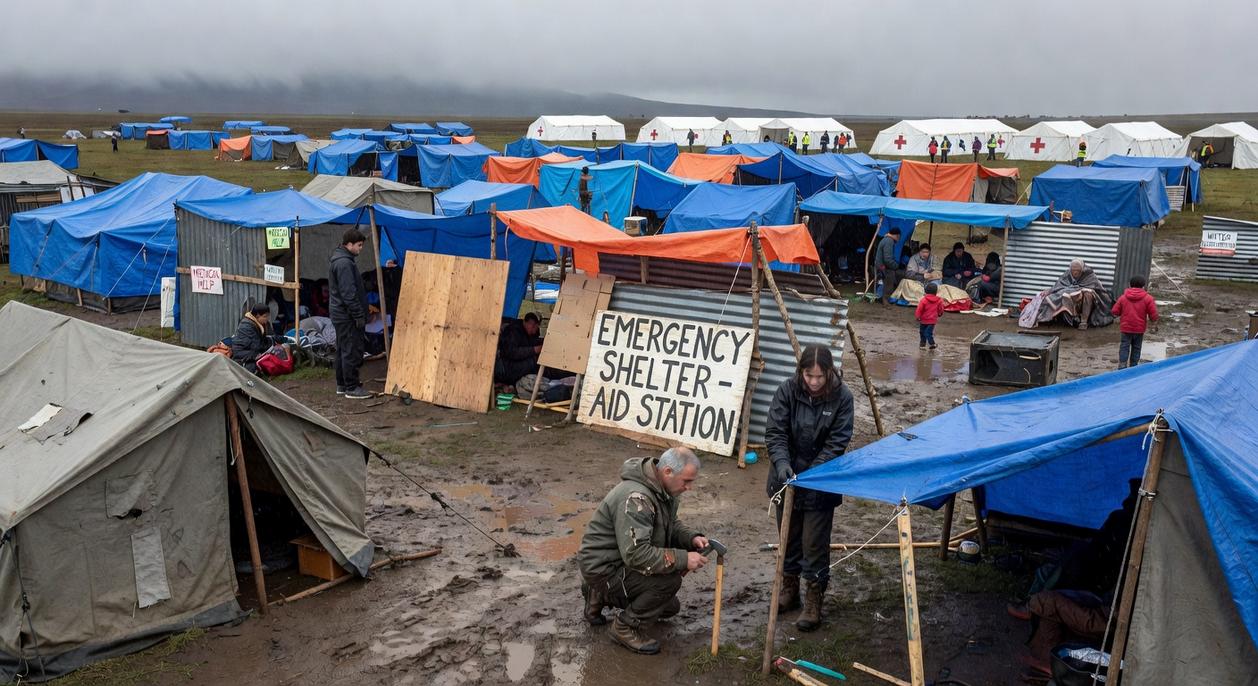
First, stop and assess. Before you even think about emergency shelter building, scan for immediate hazards—falling branches, loose rocks, unstable ground, or rising water lines. A dry spot can become a flood zone in minutes (especially after sudden rainfall). Safety isn’t a bonus feature; it’s the foundation.
Use the W.I.S.E. principles for smart site selection:
- Wind-protected – Natural barriers like hills or dense trees reduce heat loss.
- Insulated from the ground – Dry leaves, pine needles, or pads prevent conductive heat loss.
- Safe from hazards – Avoid dead limbs, animal trails, or avalanche paths.
- Near Essential resources – Water, firewood, and signaling visibility save energy.
Next, gather high-value materials before daylight fades or weather worsens. Prioritize:
- Tarps or plastic sheeting
- Rope or cordage
- Blankets or fabric layers
- Plywood or sturdy metal sheets
Pro tip: choose location first, materials second. A perfect tarp in a dangerous spot won’t save you.
The Rapid Deployment Shelter: Building a Tarp Lean-To
When conditions turn bad fast, the lean-to is the go-to solution. Why? Because it’s simple, quick, and effective. In emergency shelter building, speed matters more than perfection (this is survival, not a home makeover show). A lean-to requires minimal materials, can be built in minutes, and provides solid protection from wind and rain when angled correctly.
Let’s clarify what a “lean-to” actually is. A lean-to is a single sloped surface that leans against a support line, forming a barrier between you and the elements. Think of it as a roof that starts at shoulder height and slopes down to the ground.
Materials You’ll Need
- One tarp or plastic sheet
- Cordage (rope, paracord, or even improvised line)
- Two anchor points (trees, a sturdy wall, or a vehicle)
Step-by-Step Construction
- Secure a ridgeline. Tie cordage tightly between two anchor points at about chest height. This horizontal line is your structural backbone.
- Drape the tarp over the ridgeline. Center it so both sides hang evenly.
- Stake the lower edge to the ground at a 45-degree angle. This angle helps rain run off instead of pooling.
- Weigh down the edges with rocks or heavy debris to seal gaps and block drafts.
Face the back of the shelter into the prevailing wind. Additionally, build a small fire reflector wall a few feet in front of the opening to bounce heat inward. Pro tip: clear ground debris underneath to reduce moisture seepage.
Once sheltered, skills like foraging basics identifying safe wild edibles become your next priority.
The Insulated Shelter: Constructing a Debris Hut
When the temperature drops and you don’t have a tarp in your pack, what’s your move? Shiver through the night—or build something that actually holds heat? The debris hut is often the superior option in cold weather because it relies on one powerful principle: insulation traps warmth. And in survival, warmth is life.
Some argue that open lean-tos are faster. True. But speed doesn’t equal survival. A lean-to sheds rain; a debris hut conserves body heat. In freezing conditions, which sounds smarter?
To build one, you need three essential components: a strong ridgepole, a tight ribcage of branches, and a massive pile of dry, loose debris—leaves, pine needles, or grass. Think of it like building a natural sleeping bag around yourself (yes, you’re the filling).
Follow these steps carefully:
- Prop the ridgepole against a sturdy tree or stump at a low angle.
- Line both sides with closely spaced sticks to form a ribcage.
- Heap debris over the frame until it’s at least two feet thick.
- Create a thick mattress of dry debris inside to block ground chill.
Two feet may sound excessive. It’s not. Without that thickness, precious heat escapes. Ever notice how animals burrow deep into leaves? They’re not being dramatic.
Keep the entrance small—just big enough to crawl through—and plug it with a debris-filled bundle once inside. This simple tactic transforms your shelter into a heat trap, a cornerstone skill in emergency shelter building. Would you rather wake up warm or wish you’d piled on more leaves?
Making Your Shelter Safer and Warmer
Waterproofing sounds technical, but it simply means arranging materials so rain runs off instead of soaking through. Start from the bottom edge and work upward, overlapping each layer like shingles on a roof. If you only have small pieces—trash bags, scraps of plastic—treat them like scales on a fish. Each higher layer should cover the seam below it.
Ground insulation is about stopping heat transfer. Heat naturally moves from warm objects to cold ones; the earth is almost always colder than you. Create a raised bed using thick branches laid side by side, then pile dry leaves or cardboard on top. That trapped air is what slows heat loss (yes, air can insulate).
Ventilation prevents condensation, which is the buildup of water droplets from your breath. In emergency shelter building, a small vent placed high allows moist air to escape while keeping wind out.
Shelter Is the Foundation of Survival
Shelter is your first line of defense. In any disaster, exposure can take you down faster than hunger or thirst (yes, even before your stomach starts growling dramatically). Rain, wind, and cold do not wait politely. That is why mastering simple tarp setups and debris huts matters. They work because of basic principles: insulation traps heat, waterproofing sheds water. No fancy gear required (MacGyver would approve). Critics might argue food storage deserves more focus. But without a roof, you are a shivering snack.
- Practice emergency shelter building in your backyard before you need it.
Take Your Wilderness Skills Further
You set out to sharpen your outdoor knowledge—and now you have the practical insights to move with confidence, from trail mapping to camp setup and emergency shelter building when conditions turn against you.
The real challenge in the wild isn’t just knowing what to do. It’s acting fast when weather shifts, daylight fades, or supplies run low. Hesitation and second-guessing are what put most adventurers at risk.
That’s why mastering these core outdoor skills matters. When you can read the terrain, secure a safe campsite, and construct reliable shelter under pressure, you’re no longer reacting to the wilderness—you’re operating within it.
Now it’s time to take action. Put these techniques into practice on your next outing. Review your gear. Rehearse your shelter setups. Study trail layouts before you step outside.
Join thousands of outdoor enthusiasts who rely on our proven survival insights and field-tested guidance. Explore more in-depth tactics today and equip yourself with the confidence to handle whatever the horizon brings.