
If you’ve ever struggled to find a spatula at dusk or realized your food supplies are buried at the bottom of your pack, you already understand why camp kitchen organization matters. Outdoor cooking should be efficient, safe, and enjoyable—not chaotic. Whether you’re heading out for a weekend camping trip or preparing for an extended backcountry stay, having a well-structured kitchen setup can save time, reduce waste, and make meal prep significantly easier.
This article is designed to help you streamline your camp setup with practical, field-tested strategies. We’ll walk through essential layout tips, gear organization methods, food storage best practices, and space-saving techniques that work in real outdoor conditions. Our guidance draws from hands-on wilderness experience, trail-tested systems, and proven outdoor best practices to ensure you’re getting reliable, actionable advice.
By the end, you’ll know exactly how to organize your camp kitchen for smoother cooking, safer food handling, and a more enjoyable outdoor experience.
From Campfire Chaos to Culinary Calm
Ever spent half your trip digging for a spatula while dinner burns? Disorganized setups waste TIME, food, and patience. The fix is a simple, repeatable three-part system that works anywhere. This guide delivers a step-by-step blueprint for camp kitchen organization that keeps things CLEAN and efficient.
Use it for:
- Weekend car camps
- Multi-day expeditions
- Backyard shakedown trips
THE SYSTEM:
- Prep zone (washing, chopping)
- Cook zone (stove, fuel)
- Clean zone (trash, storage)
Set up once, follow every trip, and stress drops fast. Pro tip: label bins before packing. You’ll cook MORE and scramble less. Guaranteed.
The Foundation: Building Your Grab-and-Go “Chuck Box”
First things first, let’s define the term. A chuck box is a single, dedicated container that holds all your non-food kitchen essentials for camp. Think of it as a portable kitchen drawer you can grab from your garage and drop straight onto a picnic table. No scrambling for a can opener. No digging through five bags for a lighter. (Because nothing tests patience like coffee delayed by poor packing.)
Essential Gear Checklist
Start with the core tools:
- Cookware: One pot, one pan, a kettle, and a pot grabber.
- Utensils: Spatula, tongs, sharp knife, cutting board, can opener.
- Tableware: Plates, bowls, mugs, forks, and spoons.
- Cleanup Kit: Collapsible sink, biodegradable soap, sponge, trash bags, paper towels.
- Stove & Fuel: Pack them together and keep them accessible.
For example, if you’re pulling into camp at dusk, you’ll want your stove ready in seconds—not buried under dishcloths.
Packing Strategy: Last In, First Out
Now, here’s where smart camp kitchen organization makes all the difference. Use the Last In, First Out method. Place items you’ll need last—like extra fuel or backup utensils—at the bottom. Then layer upward. Your stove, lighter, and kettle should sit on top.
In practice, this means you can set up dinner in under five minutes: box down, stove out, water boiling. Pro tip: keep a laminated checklist inside the lid so you can restock quickly after each trip.
Ultimately, a well-built chuck box turns chaos into routine—and routine into comfort.
Campsite Setup: The Outdoor “Work Triangle” for Peak Efficiency
If you’ve ever cooked at camp while tripping over a cooler, chasing a runaway paper towel, and realizing the soap is somehow 20 feet away, you already know the pain. A chaotic setup turns a simple meal into a full-blown expedition (and not the fun kind).
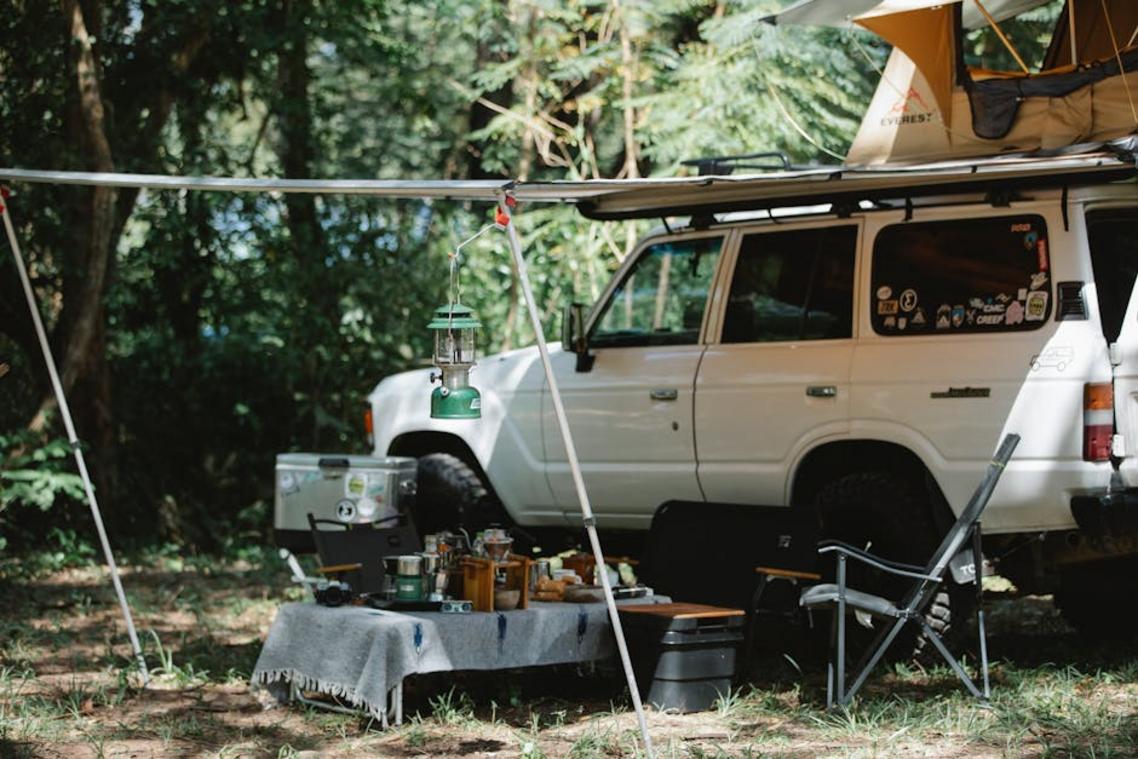
That’s where the outdoor “work triangle” comes in. Borrowed from classic kitchen design, the work triangle refers to positioning three key areas in a triangle shape to minimize steps and maximize efficiency. At camp, this means smarter camp kitchen organization and fewer unnecessary laps around the site.
Zone 1 – The “Cold Zone” (Prep & Storage)
This is your cooler and dry food box. Place it in a shaded, easy-to-reach spot. Heat speeds up food spoilage (USDA confirms bacteria multiply rapidly between 40°F and 140°F), so shade isn’t optional—it’s strategic. Meals begin here, so avoid burying it behind tents or gear.
Zone 2 – The “Hot Zone” (Cooking)
Your stove and cook surface belong on a flat, stable area like a picnic or camp table. Keep it sheltered from wind to maintain flame control and fuel efficiency. If gusts are common, review weatherproofing your campsite against rain and wind before you strike a match.
Zone 3 – The “Wet Zone” (Cleaning)
Set up wash and rinse bins downwind and a short distance away. This reduces cross-contamination—when bacteria from raw food spread to clean surfaces (CDC guidance emphasizes strict separation).
The Workflow Advantage
With this layout, you move logically: cold to hot to wet. Fewer steps. Less clutter. Cleaner surfaces. And most importantly, no more playing “Where did I put the tongs?” in the dark.
Master Your Menu: Smart Food Packing and Protection
Smart campers know that pre-trip preparation saves serious time at camp. A 2022 KOA North American Camping Report found that 53% of campers rank meal prep and cleanup as their biggest time drain. Pre-chop vegetables, measure spices into small bags, and crack eggs into a sealed bottle before you leave. (Yes, it feels a little like a cooking show—minus the studio audience.) The result? Faster meals and fewer sticky cutting boards in the wild.
Next, ditch bulky packaging. Cardboard traps moisture, glass shatters, and both waste space. Repack dry goods into reusable containers and zip-top bags. This simple shift improves camp kitchen organization and reduces trash volume—critical since the Leave No Trace Center for Outdoor Ethics reports food waste is one of the top causes of wildlife disturbances.
For multi-day trips, cooler strategy matters. Use:
- Block ice on the bottom (it melts slower than cubes, per USDA guidance)
- A thin towel barrier
- Frozen meats and drinks
- Delicate produce on top
Finally, protect your food from pests and larger animals. Store everything—including trash and scented items—in a locked vehicle or bear-safe container overnight. The National Park Service confirms that unsecured food is a leading cause of bear encounters. A clean camp isn’t optional; it’s proven prevention.
Last summer, I watched a perfectly good sunset turn stressful because our spatula vanished into a bottomless tote. That was the night I swore by a system.
The blueprint is simple: a consolidated “Chuck Box” for every tool, a smart “Work Triangle” between stove, prep, and cooler, and intentional food prep before you leave. A Chuck Box is a single container that holds your core kitchen gear, so nothing wanders. The Work Triangle simply means arranging those three stations within easy reach, like a tiny backcountry kitchen studio.
Some campers argue that spontaneity is half the fun, and structure kills the vibe. I get it. But chaotic camp kitchen organization steals time from the firelight and the stories. Order doesn’t dull adventure; it PROTECTS it.
Before your next trip, pack your Chuck Box completely and rehearse setting up the triangle. Notice how much calmer dinner feels.
– CAPS
-
Bonus tip: Always pack a small spray bottle with water for quick cleanups around the stove and prep area.
You’ll cook happier, eat better, and actually watch the sunset. That small shift turns camp cooking from a chore into a ritual you genuinely look forward to each night under open skies.
You came here to simplify your outdoor setup and make your time in the wild smoother, safer, and more enjoyable. Now you have the practical skills, survival tactics, and trail strategies to do exactly that.
Disorganized gear, wasted time searching for tools, and chaotic meal prep can quickly turn an exciting trip into a frustrating experience. Mastering camp kitchen organization and structured camp systems eliminates that stress, giving you more time to focus on the adventure itself.
The next step is simple: put this into action on your very next outing. Create a gear checklist, map your trail in advance, and set up a kitchen layout that keeps essentials within reach. Small improvements compound into safer, more efficient trips.
Get Trail-Ready the Smart Way
Don’t let poor planning ruin your next expedition. Get proven outdoor strategies, field-tested survival insights, and practical camp systems trusted by thousands of wilderness enthusiasts. Start refining your setup today and turn every trip into a confident, well-organized adventure. Explore more expert-backed guidance now and take control of your time outdoors.