
Preparing for a journey into the wild alone requires more than courage—it demands strategy, skill, and precision. If you’re searching for a clear, reliable guide to solo expedition preparation, this article is built for you. Whether you’re planning a multi-day backcountry trek or a remote wilderness camp, understanding core outdoor skills, trail mapping, survival tactics, and camp setup essentials can make the difference between confidence and crisis.
Many adventurers underestimate the complexity of going solo. Without a partner to rely on, every decision—from route selection to emergency readiness—rests on your preparation. That’s why this guide breaks down practical, field-tested techniques designed to help you navigate safely, set up efficiently, and respond effectively to unexpected challenges.
Drawing on proven wilderness survival principles and real-world outdoor expertise, this article delivers focused, actionable insights to ensure you’re fully equipped—mentally and physically—for your next solo adventure.
The Five Pillars in Action
On my first night alone in the backcountry, every snapped twig sounded like a warning. I had trained, but I hadn’t planned deeply enough. That lesson shaped my approach to solo expedition preparation.
Self-reliance means the ability to make sound decisions without rescue. It rests on five pillars: mental conditioning, physical fitness, core skills, gear strategy, and safety protocols. Some argue grit alone is enough (it isn’t). Yet mindset without mapping skills or first-aid knowledge is just bravado. Build strength for steep miles, rehearse navigation, test camp systems before departure. Pro tip: practice decision-making when tired. Preparation turns fear useful.
Building the Expedition Engine: Mental and Physical Fortitude
Mental Conditioning
First, understand that resilience is trainable. Research published in Frontiers in Psychology (2020) found that stress-exposure training significantly improves decision-making under pressure. Techniques like controlled breathing (box breathing), scenario visualization, and after-action reviews sharpen situational awareness—your ability to accurately read terrain, weather shifts, and your own fatigue cues. While some argue mental toughness is innate, military and search-and-rescue case studies show otherwise; structured stress drills measurably reduce cognitive errors in high-stakes environments. In solo expedition preparation, this mindset becomes your first line of defense (because there’s no one else to double-check your map).
Risk Assessment
Next, separate perceived risk from actual danger. A steep ridgeline looks terrifying, but objective hazards—rockfall probability, weather exposure, technical difficulty—tell the real story. The American Alpine Club reports that poor decision-making, not extreme conditions, contributes to over 70% of climbing incidents. Use checklists and pre-mortem analysis (imagining what could go wrong) to stay grounded in facts.
Physical Preparedness and Acclimatization
Finally, build functional fitness. Studies in the Journal of Strength and Conditioning Research show load-bearing hikes improve endurance and joint stability. Train with weighted packs, compound lifts, and mobility work. For altitude, ascend gradually—CDC guidance recommends no more than 1,600 feet of sleeping elevation gain per day above 8,000 feet. Pace early, hydrate consistently, and let physiology—not ego—set the tempo.
Mastering Core Wilderness Competencies
Advanced Navigation
In the backcountry—whether you’re bushwhacking through the Adirondack High Peaks or navigating canyon country in southern Utah—map and compass skills are non-negotiable. GPS fails (cold drains batteries fast), but a topographic map and baseplate compass don’t.
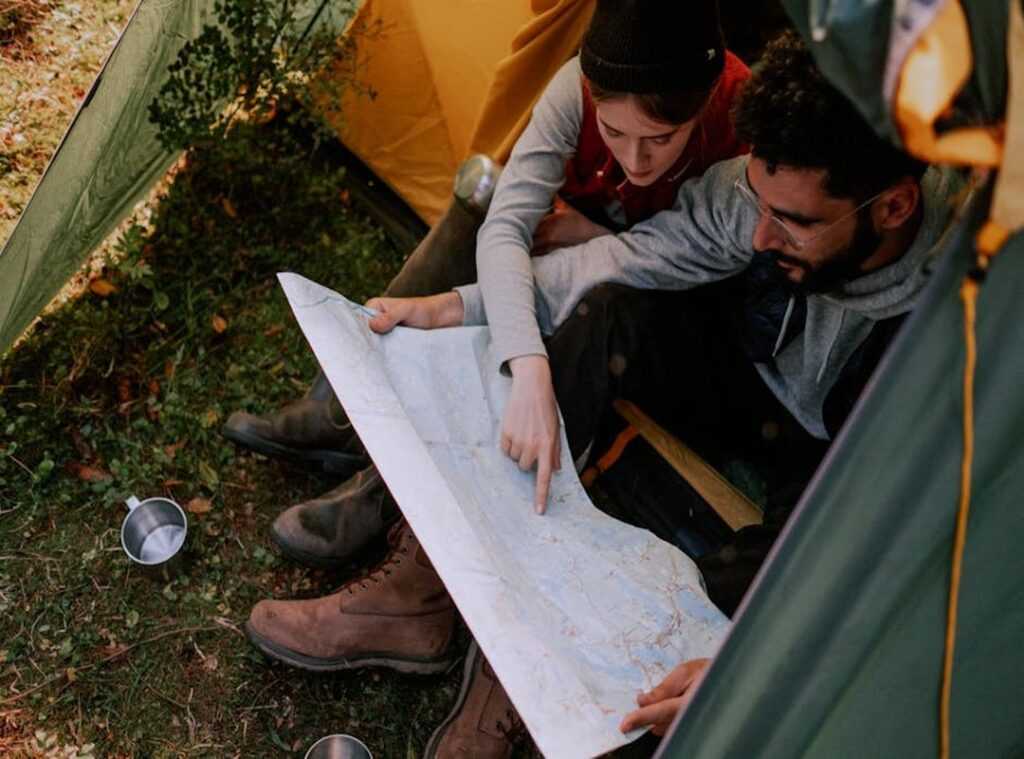
Start with declination, the angular difference between true north and magnetic north. In parts of the Pacific Northwest, declination can exceed 15°, enough to throw you miles off course if ignored. Adjust your compass before setting out. Next, practice taking bearings: point your direction-of-travel arrow toward a landmark, rotate the bezel to align magnetic north, then follow the bearing. For pinpointing your location, use triangulation—take bearings from two known landmarks and mark where the lines intersect on your map.
Terrain association—matching contour lines to ridges, saddles, and drainages around you—is faster than constant compass checks (and feels a bit like reading the land’s secret language). For deeper skill-building, review detailed trail mapping guides like this one: advanced trail mapping techniques.
Wilderness Survival Tactics
The Rule of Threes states you can survive roughly three minutes without air, three hours without shelter in harsh conditions, three days without water, and three weeks without food. Prioritize accordingly.
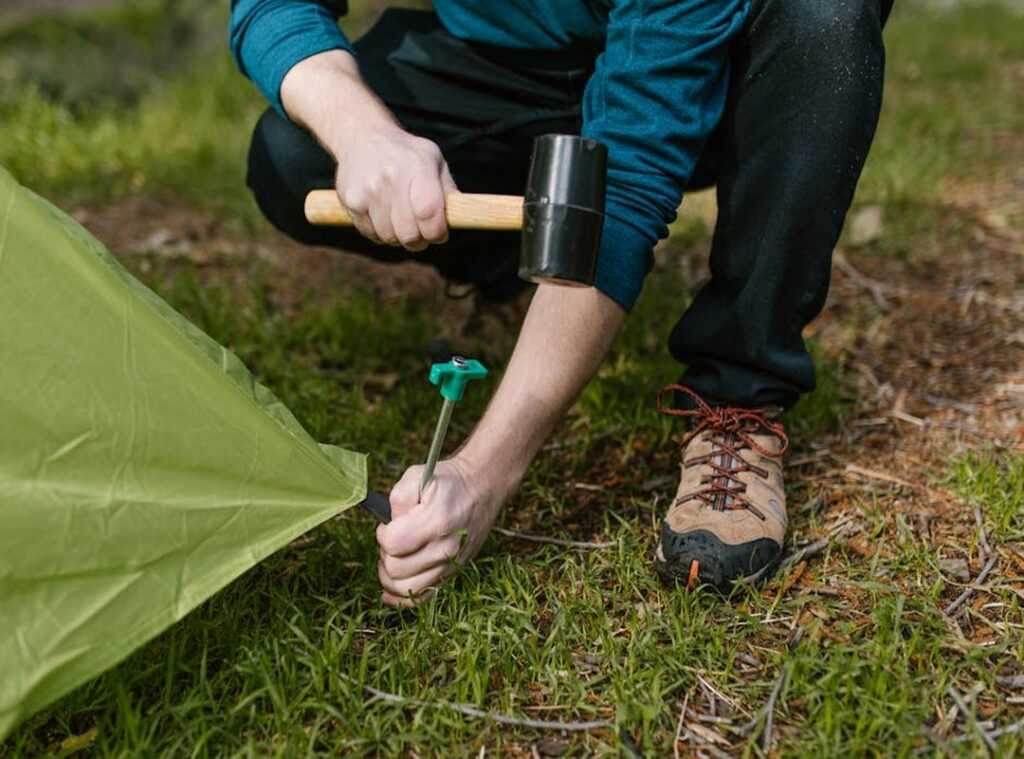
For shelter: select high, dry ground; rig a ridgeline between trees; drape a tarp; secure corners with stakes or rocks; insulate the ground with pine boughs. For fire in wet conditions, split damp wood to access dry cores, build a feather stick, and ignite with a ferro rod. For water, collect from moving sources and purify by boiling for one minute (longer above 6,500 feet).
Wilderness First Aid
Formal WFA or WFR training is essential. Build a kit tailored to climate and remoteness: compression bandage, blister care, SAM splint, antihistamines, irrigation syringe. In solo expedition preparation, redundancy is survival (pack extra gloves and meds).
Strategic Logistics: Mastering Gear, Food, and Camp
Great trips aren’t powered by motivation. They’re powered by logistics. (Excitement fades; wet socks don’t.)
The Gear Trinity: Pack, Shelter, Sleep
Your pack, shelter, and sleep system form the core load-bearing trio. Think of it as weight vs. durability vs. cost.
- Ultralight pack (2 lbs) vs. traditional pack (5+ lbs): Lighter saves energy on long miles; heavier often means more padding and durability.
- Tarp vs. freestanding tent: Tarps are minimalist and adaptable; tents offer bug protection and faster setup in storms.
- Quilt vs. mummy bag: Quilts reduce weight; mummy bags seal in warmth for sub-freezing trips.
Some argue heavier gear is “safer.” And yes, durability matters on rugged terrain. But shaving even 5 pounds can reduce fatigue and injury risk over 20-mile days (American Hiking Society notes pack weight significantly affects strain). The right answer depends on terrain and trip length—not ego.
Layering and Redundancy
A layering system means moisture-wicking base, insulating mid-layer, and weatherproof shell. Cotton vs. merino? Cotton is cheaper; merino insulates when wet. Choose wisely.
Redundancy applies to critical tools: two fire starters, backup water purification, and analog navigation alongside GPS. For solo expedition preparation, redundancy isn’t paranoia—it’s prudence.
Trail Mapping and Resupply
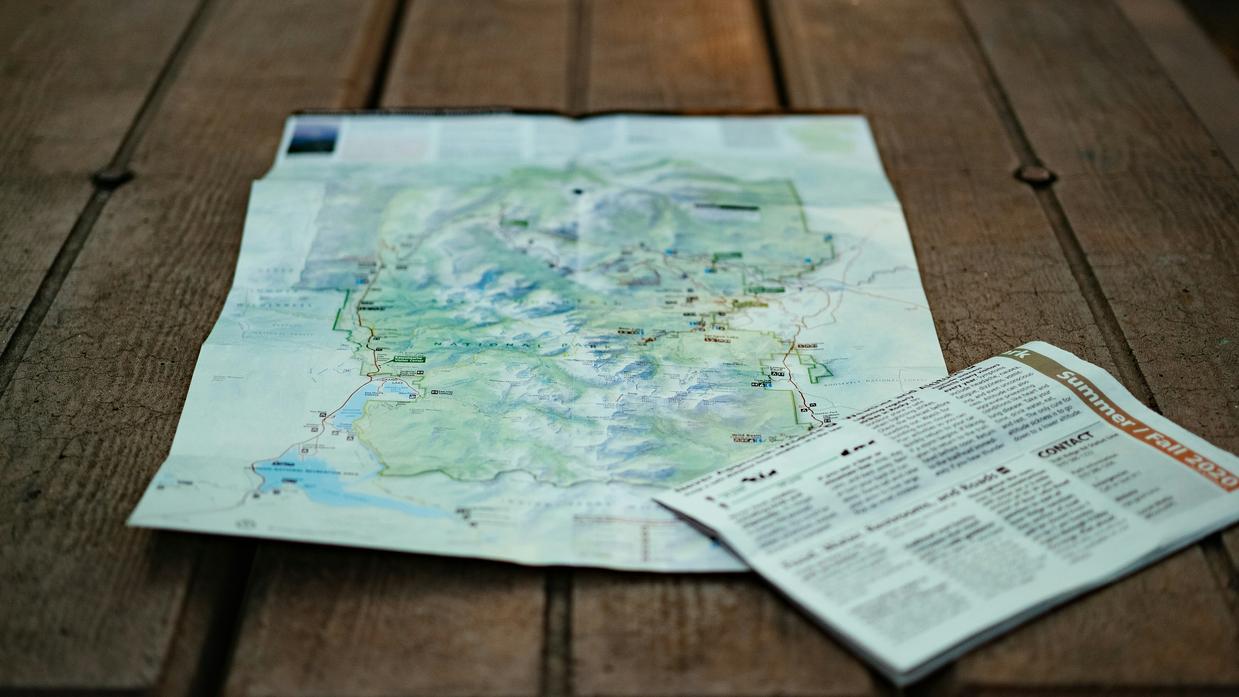
Topographic maps show elevation gain; satellite imagery reveals water sources and tree cover. Plan 3,000–4,500 calories per day depending on exertion (National Park Service guidance). Longer treks demand resupply points every 3–7 days.
Stay current with emerging wilderness safety policies and what they mean for hikers before locking in permits and food drops.
Camp Setup Essentials
Site selection: 200 feet from water, durable surfaces only (Leave No Trace Center for Outdoor Ethics). Flat vs. scenic? Choose flat. Always.
Organize camp in zones—sleep, cook, store. Efficiency at dusk means warmth before dark. (And fewer midnight gear hunts.)
The Safety Net: Itinerary, Communication, and Emergency Protocols
A solid trip plan is your backup brain. Leave a detailed itinerary with a trusted contact: trailhead, route, campsites, turnaround times, and clear bailout points (pre-identified exit routes if conditions deteriorate). Add your gear list, vehicle location, and emergency numbers. For solo expedition preparation, this step is non‑negotiable (yes, even for a quick overnighter).
Satellite communicators like Garmin inReach and SPOT allow two-way or one-way messaging beyond cell range. Set a check-in schedule (e.g., 7 p.m. nightly). Define what counts as an emergency before you leave—serious injury, being lost after dark, or life-threatening weather—so the SOS button isn’t pressed in panic.
When things go sideways, use STOP: Stop, Think, Observe, Plan. Underline your priorities: shelter, water, signaling. Example: twisted ankle at mile 8? Stop hiking, assess swelling, reroute to the nearest bailout.
Pro tip: write emergency steps on waterproof paper.
For mapping basics, review https://example.com/trail-mapping.
Before you step off, run a final gear shakedown: test electronics, tighten straps, and weigh your pack. Then check updated forecasts, trail reports, and regional alerts. This solo expedition preparation sharpens confidence. Thorough preparation means fewer surprises, smarter decisions, and the freedom to move boldly when the trail finally calls.
Mastering Your Next Wilderness Challenge
You set out to strengthen your backcountry knowledge and sharpen your edge in the wild. Now you have a clearer understanding of horizon scanning, essential outdoor skills, survival tactics, trail mapping, and efficient camp setup strategies that make every trip safer and more intentional.
The reality is that uncertainty in the wilderness can turn confidence into hesitation fast. Poor planning, weak navigation, or overlooked survival basics can put your safety—and your entire experience—at risk. That’s why dialing in your preparation, especially for solo expedition preparation, is non‑negotiable. The more deliberate your systems, the more freedom you gain once you’re out there.
Now it’s time to act. Review your gear, refine your route plans, and pressure-test your survival skills before your next outing. If you want proven guidance trusted by a growing community of serious outdoor enthusiasts, explore our in-depth field guides and practical checklists today. Don’t leave your next adventure to chance—equip yourself properly, prepare with purpose, and step into the wild with total confidence.
 Trail Mapping & Exploration Coordinator
Joshua Harthormix has opinions about camp setup essentials. Informed ones, backed by real experience — but opinions nonetheless, and they doesn't try to disguise them as neutral observation. They thinks a lot of what gets written about Camp Setup Essentials, Core Outdoor Skills and Tactics, Hidden Gems is either too cautious to be useful or too confident to be credible, and they's work tends to sit deliberately in the space between those two failure modes.
Reading Joshua's pieces, you get the sense of someone who has thought about this stuff seriously and arrived at actual conclusions — not just collected a range of perspectives and declined to pick one. That can be uncomfortable when they lands on something you disagree with. It's also why the writing is worth engaging with. Joshua isn't interested in telling people what they want to hear. They is interested in telling them what they actually thinks, with enough reasoning behind it that you can push back if you want to. That kind of intellectual honesty is rarer than it should be.
What Joshua is best at is the moment when a familiar topic reveals something unexpected — when the conventional wisdom turns out to be slightly off, or when a small shift in framing changes everything. They finds those moments consistently, which is why they's work tends to generate real discussion rather than just passive agreement.
Trail Mapping & Exploration Coordinator
Joshua Harthormix has opinions about camp setup essentials. Informed ones, backed by real experience — but opinions nonetheless, and they doesn't try to disguise them as neutral observation. They thinks a lot of what gets written about Camp Setup Essentials, Core Outdoor Skills and Tactics, Hidden Gems is either too cautious to be useful or too confident to be credible, and they's work tends to sit deliberately in the space between those two failure modes.
Reading Joshua's pieces, you get the sense of someone who has thought about this stuff seriously and arrived at actual conclusions — not just collected a range of perspectives and declined to pick one. That can be uncomfortable when they lands on something you disagree with. It's also why the writing is worth engaging with. Joshua isn't interested in telling people what they want to hear. They is interested in telling them what they actually thinks, with enough reasoning behind it that you can push back if you want to. That kind of intellectual honesty is rarer than it should be.
What Joshua is best at is the moment when a familiar topic reveals something unexpected — when the conventional wisdom turns out to be slightly off, or when a small shift in framing changes everything. They finds those moments consistently, which is why they's work tends to generate real discussion rather than just passive agreement.