Planning a backcountry trip today isn’t what it was a decade ago. Weather patterns are less predictable, trail conditions shift faster, and preparation requires more than just packing the basics. If you’re searching for clear, practical guidance on navigating modern wilderness challenges, this article is built for you.
We break down the essential outdoor skills, survival tactics, trail mapping strategies, and camp setup fundamentals that matter right now—especially as the climate impact on backcountry travel reshapes terrain, water access, fire risk, and seasonal timing. Instead of theory, you’ll get actionable insights you can apply before your next trek.
Our guidance draws on extensive field analysis of evolving trail systems, environmental data, and time-tested wilderness practices to ensure accuracy and reliability. Whether you’re refining your route planning or upgrading your emergency preparedness, this guide will help you travel smarter, safer, and more confidently in today’s changing backcountry conditions.
Why Your Old Trail Map Is Lying to You
Your trusted topographic map isn’t wrong—it’s outdated. Rivers reroute. Snowpack arrives late (or not at all). Fire scars erase landmarks. The climate impact on backcountry travel means yesterday’s safe route can become today’s hazard.
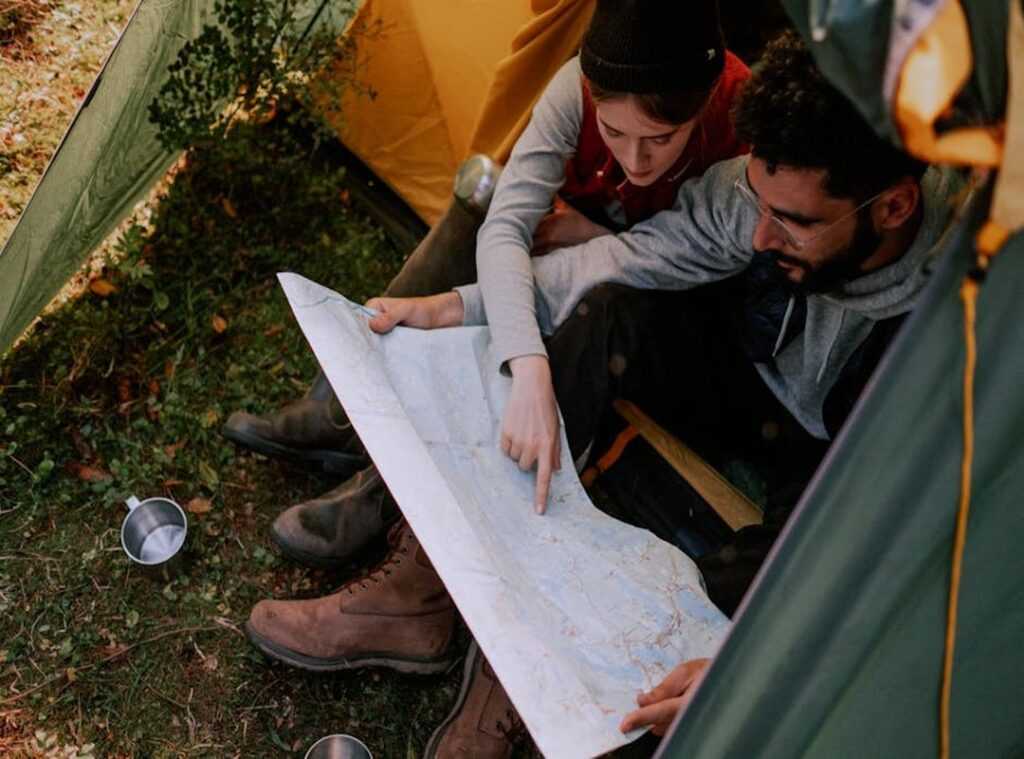
Most guides stop at “check the forecast.” That’s not enough. You need dynamic planning: compare satellite imagery to printed maps, verify water sources with recent trip reports, and build margin days into your itinerary.
- Cross-reference elevation with heat exposure risk.
Some argue wilderness has always been unpredictable. True. But volatility is accelerating. Smart trekkers adapt before boots hit dirt.
The New Wilderness Weather: What’s Changed and Why It Matters
As unpredictable weather patterns continue to reshape our outdoor adventures, understanding these changes is crucial, much like the expert insights shared in our article on Jaroconca, which delves into adapting travel plans for optimal safety and enjoyment.
Not long ago, backcountry planning meant comparing spring vs. summer, monsoon vs. dry season. Predictable A vs. mostly predictable B. Today, it’s stable patterns vs. volatility on overdrive.
Instead of steady snowmelt, we’re seeing atmospheric rivers—long, moisture‑laden air currents that dump months of rain in days (NOAA). Instead of a hot week, heat domes trap high pressure over a region, baking trails for extended periods (NASA). And where low‑pressure systems once rolled through gradually, rapid cyclogenesis—often called bomb cyclones—can intensify within 24 hours (National Weather Service).
Regional forecast vs. reality? In mountains and canyons, terrain amplifies everything. Warm air rises, cool air sinks, storms stall against ridgelines. The result is hyper‑localized weather that may never appear on your app.
Consider the side‑by‑side risks:
- Seasonal rain vs. sudden flash floods roaring through narrow canyon slots
- Gradual thaw vs. landslides on slopes saturated in a single storm
- Defined fire season vs. year‑round wildfire threats that reroute or trap hikers
Some argue weather has always been unpredictable (true—ask any mountaineer). But the scale and speed are different. The climate impact on backcountry travel means shorter reaction windows and higher stakes.
Pro tip: Plan exit routes the way you plan campsites—before you need them.
Climate-Proof Your Itinerary: Advanced Trail Mapping and Planning
I’ll say it plainly: if you’re still planning trips the way you did five years ago, you’re gambling. The rules have changed.
Step 1: Water Source Intelligence
Map symbols lie. Or at least, they age badly. A blue line on a topo map only tells you water used to be there. I rely on Gaia GPS’s Recent Satellite Imagery layer to visually confirm flow patterns and shrinking ponds. Pair that with USGS stream gauge data (real-time measurements of water levels and discharge rates) to validate what’s actually running.
In my experience, trusting outdated icons is how you end up rationing sips by noon (ask me how I know). The climate impact on backcountry travel means springs dry earlier and creeks surge unpredictably. Double verification isn’t paranoia—it’s planning.
Pro tip: Cross-check imagery after heat waves; ephemeral sources vanish fast.
Step 2: Re-Evaluating “The Season”
“Prime season” is nostalgia. I’d rather analyze SNOTEL (Snow Telemetry) data, which tracks snowpack and melt timing, plus 10-year weather trends. If runoff now peaks two weeks earlier, your safe window probably shifted too.
Some hikers argue this is overkill. They prefer tradition. I prefer not post-holing through unstable melt or dodging wildfire smoke in August.
Step 3: Building Bail-Out Routes
Every remote plan needs:
- A low-elevation exit (safer in high winds)
- A ridgeline alternative (escape flooded valleys)
- An alternate trailhead with confirmed road access
Study contingencies like you would new survival gear innovations worth watching this year. Gear evolves. Routes should too.
Because “winging it” isn’t rugged. It’s reckless.
The Resilient Traveler’s Gear List

You know what’s frustrating? Spending months planning a trip only to have your gear fail when the weather turns feral. Let’s fix that.
Your Shelter as a Lifeline
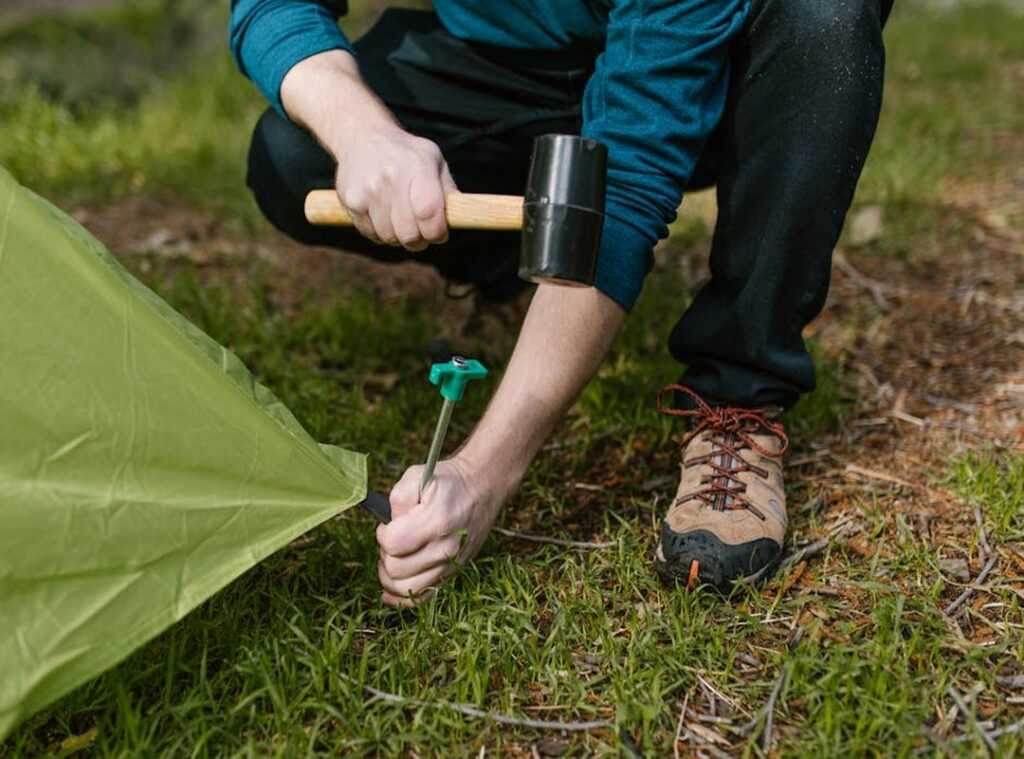
First, forget vague “3-season” labels. In high winds, structure matters more than marketing. Geodesic dome tents use intersecting poles to create a self-supporting frame that disperses wind force from multiple angles. Tunnel tents, by contrast, rely on parallel poles and proper staking to slice through gusts efficiently. Both outperform bargain backpacking tents when storms roll in (and they will).
Equally critical is a high hydrostatic head (HH) rating—the measure, in millimeters, of how much water pressure fabric can withstand before leaking. Anything below 3,000mm for serious exposure is gambling with hypothermia. Some argue ultralight tarps are enough. Sure—until sideways rain at 2 a.m. turns your sleep system into a sponge.
The Dynamic Layering System
Weather swings are relentless. Instead of one bulky jacket, use a 3-part system:
- Moisture-wicking base layer: Pulls sweat off your skin to prevent conductive heat loss.
- Active insulation mid-layer (e.g., Polartec Alpha): Breathes during movement while trapping warmth.
- Hard shell with high CFM and waterproof rating: CFM (cubic feet per minute) measures airflow; higher means better breathability without sacrificing rain protection.
Pro tip: Test your layers on a windy local hike before committing deep in the backcountry.
Essential Tech for Uncertainty
Some purists scoff at satellite messengers. But when the climate impact on backcountry travel escalates storms beyond forecasts, devices like Garmin InReach or Zoleo become lifelines. They deliver updated weather reports and allow SOS signaling when self-rescue isn’t realistic (no one’s “roughing it” when lightning’s cracking overhead like a blockbuster finale).
Preparedness isn’t paranoia. It’s respect—for the wild and your own limits.
On-Trail Tactics: Reading the Land and Making the Right Call
First, read the sky like a map. Lenticular clouds stacked over peaks often signal high winds aloft, while a sudden drop in temperature and humidity can warn of an advancing front. In practical terms, spotting these cues early buys you time to layer up, reroute, or descend—advantages that keep small problems from snowballing. As climate impact on backcountry travel intensifies, these observations become valuable.
Next, choose camps defensively. Avoid depressions and dry washes that can flood, set up below treeline in lightning-prone zones, and scan for widowmakers—dead limbs poised to fall (nature’s version of a Final Destination scene). A smart site means warmer sleep and fewer midnight surprises.
Finally, create a go/no-go matrix: If winds exceed 40 mph, we descend. If thunder is heard, we shelter. By deciding in advance, you remove emotion and gain clarity when it matters most.
Adapt to Thrive in the Wild
Modern wilderness success hinges on proactive adaptation, not stubborn endurance. Few guides address climate impact on backcountry travel in planning and gear calibration.
- Build flexible route plans with real-time weather triggers.
Turn uncertainty into a managed variable, and every expedition ends safer and smarter.
Stay Ready for What the Wild Throws at You
You came here to sharpen your outdoor skills and better understand the forces shaping today’s wilderness experience. Now you have a clearer view of trail mapping essentials, smarter camp setup strategies, and the realities of climate impact on backcountry travel.
The truth is, the backcountry isn’t as predictable as it once was. Shifting weather patterns, trail erosion, water scarcity, and wildfire risks are changing how—and when—you travel. If you ignore these signals, you risk more than discomfort. You risk safety, wasted trips, and costly mistakes.
But when you stay informed and prepared, you move with confidence. You plan smarter routes. You pack with purpose. You adapt before conditions force you to.
If you’re serious about mastering the outdoors, don’t stop here. Explore our latest horizon headlines, deepen your survival tactics, and refine your trail strategies with the trusted resource thousands of outdoor enthusiasts rely on.
Get the insights you need now—equip yourself, plan smarter, and head into the wild prepared.
 Founder & CEO
Ozirian Esthoven has opinions about hidden gems. Informed ones, backed by real experience — but opinions nonetheless, and they doesn't try to disguise them as neutral observation. They thinks a lot of what gets written about Hidden Gems, Camp Setup Essentials, Wilderness Survival Approaches is either too cautious to be useful or too confident to be credible, and they's work tends to sit deliberately in the space between those two failure modes.
Reading Ozirian's pieces, you get the sense of someone who has thought about this stuff seriously and arrived at actual conclusions — not just collected a range of perspectives and declined to pick one. That can be uncomfortable when they lands on something you disagree with. It's also why the writing is worth engaging with. Ozirian isn't interested in telling people what they want to hear. They is interested in telling them what they actually thinks, with enough reasoning behind it that you can push back if you want to. That kind of intellectual honesty is rarer than it should be.
What Ozirian is best at is the moment when a familiar topic reveals something unexpected — when the conventional wisdom turns out to be slightly off, or when a small shift in framing changes everything. They finds those moments consistently, which is why they's work tends to generate real discussion rather than just passive agreement.
Founder & CEO
Ozirian Esthoven has opinions about hidden gems. Informed ones, backed by real experience — but opinions nonetheless, and they doesn't try to disguise them as neutral observation. They thinks a lot of what gets written about Hidden Gems, Camp Setup Essentials, Wilderness Survival Approaches is either too cautious to be useful or too confident to be credible, and they's work tends to sit deliberately in the space between those two failure modes.
Reading Ozirian's pieces, you get the sense of someone who has thought about this stuff seriously and arrived at actual conclusions — not just collected a range of perspectives and declined to pick one. That can be uncomfortable when they lands on something you disagree with. It's also why the writing is worth engaging with. Ozirian isn't interested in telling people what they want to hear. They is interested in telling them what they actually thinks, with enough reasoning behind it that you can push back if you want to. That kind of intellectual honesty is rarer than it should be.
What Ozirian is best at is the moment when a familiar topic reveals something unexpected — when the conventional wisdom turns out to be slightly off, or when a small shift in framing changes everything. They finds those moments consistently, which is why they's work tends to generate real discussion rather than just passive agreement.